
Are Root Canals Painful? A Duxbury Dentist’s Perspective
If you’ve heard stories about root canals, you might be picturing a painful procedure. After all, it’s one of the most well-known dental treatments—and unfortunately, it’s often surrounded by fear and anxiety. But the good news is, modern root canal procedures are nothing like the scary tales you may have heard. In fact, many people find the experience much easier than expected.
As a trusted Duxbury dentist, I understand the challenges that can arise when it’s time for a root canal. The question on everyone’s mind: Are root canals painful? Today, we’ll answer that question, take a look at the lifestyle of residents, and explore why this procedure might just be the relief you’ve been looking for.
Duxbury’s Active Lifestyle and the Importance of Dental Care
Duxbury is a beautiful coastal town with a rich sense of community, where outdoor activities, beach days, and family gatherings are part of daily life. Whether you’re enjoying a walk at the Beach, attending a local event, or spending time with your loved ones, your smile plays a key role in how you engage with the world around you.
As part of an active lifestyle, many residents are proactive about their health, including their dental health. Routine dental checkups and procedures like cleanings, fillings, and sometimes RCTs are part of maintaining that healthy, confident smile. But when it comes to a root canal, one of the most common concerns people have is whether the procedure is painful. Let’s dive into that concern and how understanding the process can help ease your worries.
What is a Root Canal and Why Do You Require One?
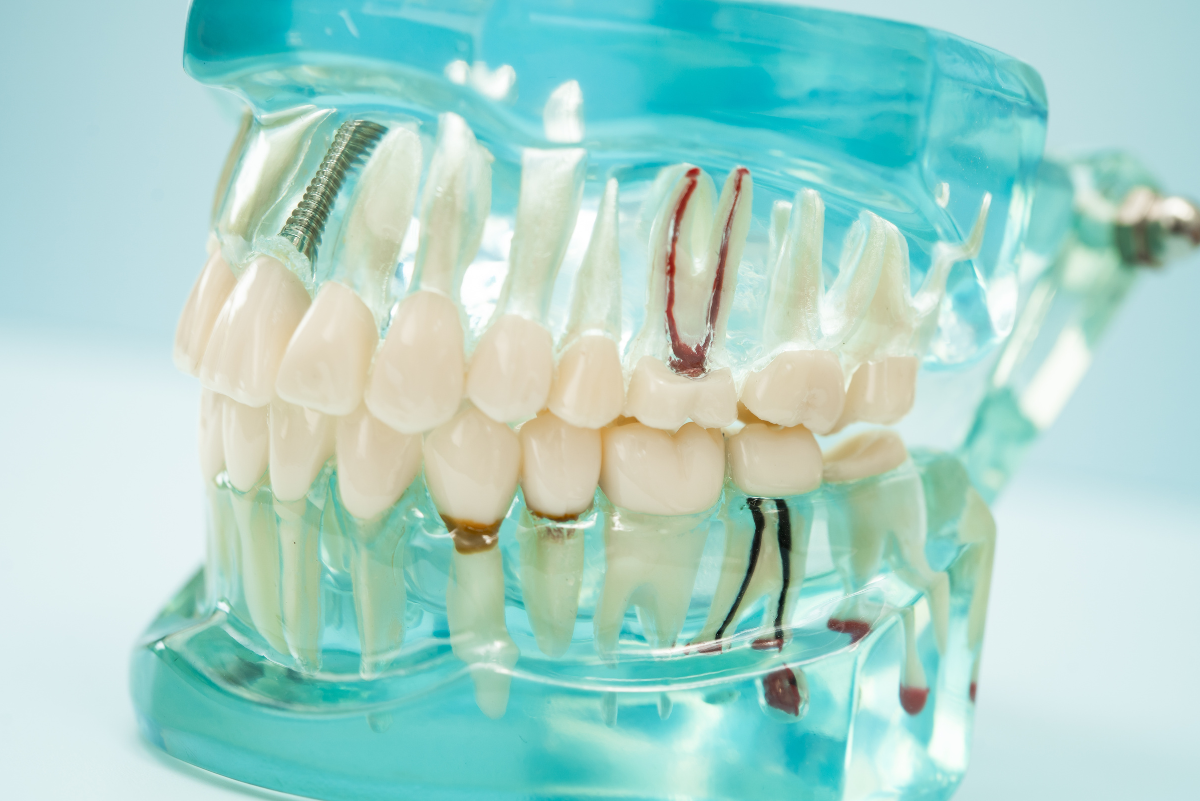
It is a dental procedure designed to treat infection in the pulp (the soft tissue inside the tooth). When the pulp becomes infected due to deep decay, cracks, or trauma, an RCT can save the tooth from extraction. The process involves cleaning out the infected pulp, disinfecting the area, and then sealing the tooth.
While this might sound intimidating, it’s important to remember that RCTs are often the best option for preserving your natural teeth. In many cases, this procedure allows you to avoid the need for tooth extraction, which is critical for maintaining proper bite function and preventing further complications.
Root Canal Pain: What Does a Dentist Have to Say?
One of the most common myths about RCTs is that they’re excruciatingly painful. As a trusted Duxbury dentist, I can confidently say that this is not the case. Due to modern technology and anesthesia, RCTs are far more comfortable than most people think.
During the procedure, your dentist will numb the area around the affected tooth with a local anesthetic. It ensures that you will not feel the pain during the treatment. In fact, most people report feeling little more than some pressure in the area as the dentist works to remove the infection and seal the tooth. The discomfort you may have felt before the procedure due to the infection usually disappears right away.
After a root canal, it’s normal to experience mild sensitivity or discomfort, which typically lasts only a few days and can be managed with over-the-counter pain relievers. Most patients can go back to their normal activities the very next day.
When is a Root Canal Necessary?
This procedure is necessary when the tooth’s pulp becomes infected or irreparably damaged. Here are some common signs that you may need an RCT-
- Persistent tooth pain, especially when chewing or applying pressure
- Sensitivity to hot or cold lingers even after the stimulus is removed
- Swelling or tenderness in the gums near the affected tooth
- A pimple-like bump on the gums near the tooth that may ooze pus
If you notice any of these symptoms, it’s important to visit a dentist as soon as possible to prevent further infection and preserve your tooth.
How Can You Prevent the Need for a Root Canal?
The best way to avoid the need for an RCT is to practice good oral hygiene. Brushing twice a day, flossing regularly, and visiting your Duxbury dentist for routine checkups can prevent tooth decay and infections that may lead to an RCT.
Additionally, if you play sports or engage in activities that could cause dental injuries, wearing a mouthguard can help protect your teeth from trauma.
Don’t Let Fear Hold You Back
If you’ve been putting off an RCT due to fear or anxiety, it’s time to put those worries to rest. RCTs today are nothing like they used to be. With modern techniques, they’re a comfortable and effective way to save your tooth and restore your smile.
If you’re experiencing symptoms of a tooth infection or believe you may need a root canal, don’t wait. Book a quick appointment at our Duxbury office for an evaluation. Our team is here to provide the compassionate care you deserve and help you get back to enjoying your everyday activities without dental discomfort.
Book an Appointment Today!
If you think you may need a root canal or have any concerns about your dental health, contact our nearest dental office today. We’re here to make your oral experience as smooth and stress-free as possible.
FAQs: Root Canals Treatment
1. Are Root Canals Painful?
They are not typically painful thanks to local anesthesia. After the procedure, mild discomfort or sensitivity may occur, but it usually resolves in a few days.
2. How Long Does A Root Canal Take?
It typically takes about 1 to 2 hours, depending on the tooth’s complexity and the severity of the infection.
3. Can I Eat After A Root Canal?
You can eat after an RCT, but it’s recommended to wait until the anesthesia wears off to avoid accidentally biting your tongue or cheek.
4. Will I Need A Crown After A Root Canal?
Yes, most teeth that undergo a root canal require a crown to restore their strength and function.
5. What Happens If I Don’t Get A Root Canal?
If you don’t get an RCT, the infection can spread, leading to more pain, the need for tooth extraction, and possibly a more serious infection.
6. How Can I Prevent Needing A Root Canal?
Good oral hygiene, including brushing and flossing, along with regular dental checkups, can help prevent tooth decay and infections that may require root canal treatment.
7. Is It Possible To Save A Tooth With A Root Canal?
Yes, root canals are designed to save severely damaged or infected teeth, allowing you to keep your natural tooth.
8. Can A Root Canal Fail?
While rare, root canal failure can occur if the infection returns or the tooth doesn’t heal properly. It’s important to follow your dentist’s aftercare instructions to minimize risks.
9. How Do I Know If I Need A Root Canal?
Common signs of needing a root canal include persistent tooth pain, sensitivity to temperature, and swelling or tenderness in the gums. If you experience these, see your dentist right away.