
How Long Do Dental Implants Last With Proper Care?
Dental restorations are an excellent solution for those looking to replace missing teeth. They offer long-term benefits and help maintain a natural, healthy smile. If you’re considering dental implants Duxbury, you’re probably wondering how long they can last with proper care.
Enjoying clam chowder at Duxbury Beach Grill after a walk? Keeping your dental health strong is key to enjoying meals worry-free. In this blog post, we’ll answer questions about the longevity of the restorations and more, giving you all the details you need. Learn how to ensure your prosthetic teeth stay in great condition for years to come.
What Are Dental Implants and Why Are They a Good Choice?
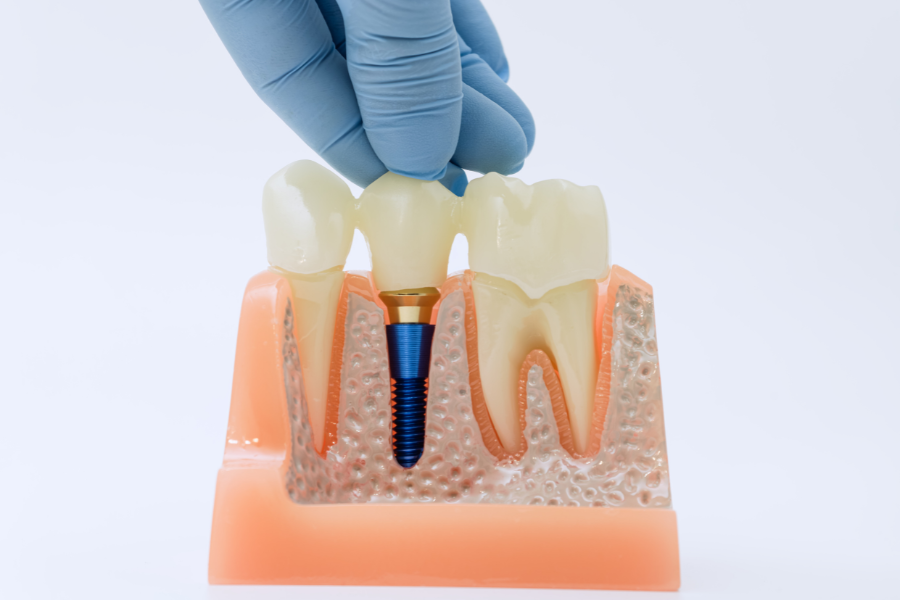
Before we dive into how long dental restorations can last, let’s take a quick look at what they are. These are titanium posts surgically placed into the jawbone, which act as replacements for the roots of missing teeth. Once in place, these prosthetic teeth fuse with the bone in a process called osseointegration. It provides a strong foundation for artificial teeth like crowns or bridges.
One of the biggest reasons why they are so popular is their durability. Unlike dentures or bridges, which may need to be replaced or adjusted over time, dental restorations are built to last. But how long is “long”?
How Long Do Dental Implants Last with Proper Care?
The lifespan of dental restorations depends on several factors, including the quality of the restoration, your oral hygiene habits, and regular visits to your Duxbury dentist. With proper care, prosthetic teeth can last 20 years or more. In fact, studies show that they have a success rate of up to 98% over a 10-15 year period.
The materials used in dental restorations, primarily titanium, are known for their strength and ability to integrate with the jawbone. This makes them a long-lasting, reliable solution for tooth replacement. However, just like natural teeth, they require care and attention to ensure they remain in optimal condition.
Key Factors Affecting the Longevity
If you are considering dental implants Duxbury, these are the factors that will affect the longevity of the restorations:
Oral Hygiene
Good oral hygiene is essential for the long-term success of your dental restorations. Brushing twice a day, flossing regularly, and using an antimicrobial mouthwash can help prevent infections and complications around the surgical site. Neglecting oral hygiene can lead to gum disease, which can affect the stability of the fixture.
Regular Checkups
Regular dental checkups with a trusted Duxbury dentist are crucial for maintaining your prosthetic teeth. During these visits, your dentist will check for signs of infection, gum recession, or instability. Early detection of potential issues can prevent more serious problems down the line.
Diet and Lifestyle
The foods you eat and your lifestyle choices can also impact the lifespan of your dental restorations. Avoid chewing hard foods, ice, or using your teeth to open packages. These actions can put excessive stress on the restoration, potentially leading to damage or failure. Additionally, smoking can reduce the chances of your prosthetic teeth fusing with the bone and may shorten their lifespan.
What to Expect When Caring for Your Implants?
Duxbury, known for its beautiful coastline and vibrant community, offers a fantastic environment for maintaining your dental health. Whether you’re enjoying the serene beach views or sampling delicious seafood at local restaurants like The Mill Wharf Restaurant, keeping up with regular dental care is essential. Routine maintenance ensures your dental restorations remain in excellent condition, allowing you to smile confidently while enjoying everything this lovely town has to offer.
Teeth Grinding and Its Impact on Prosthetic Teeth
If you suffer from bruxism (teeth grinding), it can negatively affect the longevity of your restorations. Grinding your teeth puts immense pressure on the fixture, which may cause it to loosen or even fail. If you’re prone to grinding, your Duxbury dentist may recommend wearing a night guard to protect your prosthetic teeth during sleep.
Can Dental Implants Fail?
While dental restorations are durable, they can fail if not properly cared for. Infection, bone loss, or mechanical failure can cause a fixture to loosen or fall out. Fortunately, with good care, these issues are rare. If you do experience any problems, it’s important to consult your dentist as soon as possible.
What Are the Signs That Something Might Be Wrong with Your Implant?
Some signs that your prosthetic teeth may need attention include:
- Pain or discomfort around the surgical site
- Gums that are swollen, red, or bleed easily
- Difficulty chewing or biting
- A noticeable shift or looseness in the restoration
If you notice any of these symptoms, contact your dentist for an evaluation to address the issue before it becomes a bigger problem.
Restore Your Missing Teeth with Dental Implants
Prosthetic teeth are an investment in your long-term oral health and well-being. With proper care and maintenance, you can expect them to last 20 years or more. Regular visits to a dentist for checkups and professional cleanings, combined with good oral hygiene, can help ensure the longevity of your implants. Ready to learn more about how dental implants Duxbury can improve your smile? Book a quick consultation today to discuss whether they are the right choice for you.
If you’re looking for a trusted local dentist, contact a local dental clinic today to schedule your consultation. Take the first step and get started on your journey to a confident, lasting smile.
Common FAQs:
1. Do dental implants feel like natural teeth?
Yes, Prosthetic teeth are designed to feel and function like natural teeth. The titanium post fuses with the jawbone, making it stable and giving it a natural feel and appearance.
2. What factors affect the lifespan of dental implants?
The lifespan of dental restoration is influenced by factors like oral hygiene, lifestyle choices (e.g., smoking or grinding teeth), and regular visits to your dentist for checkups and cleanings.
3. Can dental implants fail over time?
While rare, dental restorations can fail due to factors such as infection, bone loss, or mechanical issues. However, proper care and regular dental visits can greatly reduce the chances of failure.
4. Are there any foods you should avoid with prosthetic teeth?
Avoid hard foods like ice, nuts, and sticky candies, which can put excessive pressure on the fixture. It’s also advisable to limit acidic foods and beverages, as they can affect gum health around the restoration.
5. How can you prevent gum disease around your dental implants?
Regular brushing, flossing, and using an antimicrobial mouthwash can help prevent gum disease around fixtures. Routine checkups with your dentist are also crucial for early detection of any issues.