
Can Smokers Get Dental Implants? Risks and Realistic Outcomes
If you’re a smoker considering dental implants, you’ve probably heard mixed messages. Some people say it’s impossible. Others claim it’s no big deal. The truth sits somewhere in between, and understanding the facts can help you make the best choice for your oral health.
Smoking and implants don’t mix well, but that doesn’t mean you’re completely out of options. Let’s break down what you need to know about getting implants as a smoker, the real risks involved, and what you can do to improve your chances of success.
Understanding How Dental Implants Work
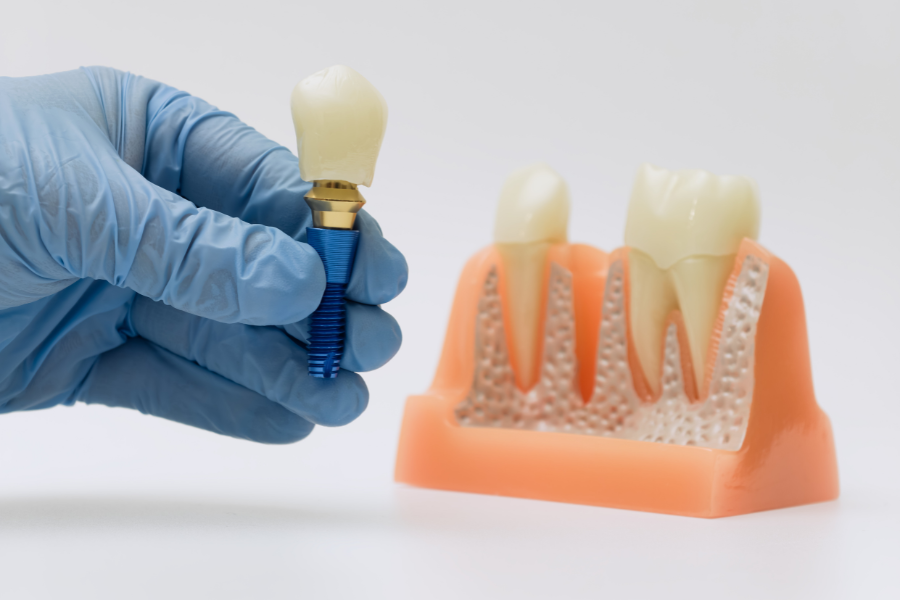
Before we talk about smoking, it helps to understand what dental implants actually do. These are small titanium posts that dentists place into your jawbone. They act like artificial tooth roots. Over time, your bone grows around the implant and holds it firmly in place. This process is called osseointegration.
Once the implant bonds with your bone, your dentist attaches a crown on top. The result looks and feels like a natural tooth. The entire process usually takes several months from start to finish. For residents seeking Dental Implants Duxbury offers several experienced practices that can walk you through each step of this treatment.
Why Smoking Affects Dental Implants
Smoking changes how your body heals. When you smoke, nicotine restricts blood flow to your gums and bones. This means less oxygen and fewer nutrients reach the surgical site where your implant sits.
Your body needs good blood flow to heal properly. Without it, the bone around your implant struggles to integrate with the titanium post. Think of it like trying to grow a plant without enough water. The roots won’t take hold properly.
Smoking also weakens your immune system. This makes you more likely to develop infections after surgery. An infection around a new implant can cause it to fail completely.
Real Numbers Behind Implant Success Rates
Studies show that non-smokers have about a 95% success rate with dental implants. For smokers, that number drops to around 85-90%. Some research suggests even lower rates for heavy smokers.
That 5-10% difference might not sound huge. But when you’re investing thousands of dollars and months of healing time, those odds matter. The risk becomes even higher if you smoke more than a pack per day.
Heavy smokers also face longer healing times. What takes three months for a non-smoker might take five or six months for someone who smokes regularly.
What Happens When Implants Fail
Implant failure usually happens in one of two ways. Early failure occurs during the first few months when the bone should be growing around the implant. Late failure happens after the implant has been in place for a while.
For smokers, early failure is more common. The implant never fully integrates with the bone. It might feel loose or cause pain. In these cases, your dentist needs to remove the implant and let the area heal before trying again.
Late failure often involves bone loss around an implant that was previously stable. Smokers are more prone to gum disease, which can lead to this type of failure years down the road.
Can You Still Get Implants If You Smoke?
Yes, but your Dentist Duxbury will likely have some strong recommendations first. Most dental professionals won’t outright refuse to treat smokers. However, they want you to understand the risks and take steps to improve your odds.
Many dentists ask patients to quit smoking at least two weeks before surgery. Some request that you stay smoke-free for several months after the procedure. This gives your body the best chance to heal properly.
The more you can reduce or eliminate smoking, the better your results will be. Even cutting back significantly helps.
Improving Your Success Odds as a Smoker
If quitting entirely feels impossible right now, there are still things you can do. First, be completely honest with your dentist about your smoking habits. They need accurate information to create the best treatment plan for you.
Consider these strategies:
Take a temporary break. Even stopping for a few weeks before and after surgery makes a real difference. Your body starts healing better within days of your last cigarette.
Follow all aftercare instructions. Smokers need to be extra careful about oral hygiene after implant surgery. Brush gently, use prescribed rinses, and attend all follow-up appointments.
Add supplements. Talk to your dentist about calcium and vitamin D. These support bone health and might help with integration.
Stay hydrated. Drinking plenty of water helps flush toxins from your body and supports healing.
Alternative Options for Smokers
If you’re not ready to quit and want to avoid implant risks, other tooth replacement options exist. Bridges and dentures work differently than implants. They don’t require the same level of bone integration.
Traditional bridges attach to neighboring teeth. Partial or full dentures rest on your gums. While these aren’t as stable or long-lasting as implants, they carry fewer risks for smokers. That said, smoking still affects these options too. It increases your risk of gum disease, which can make dentures fit poorly over time.
What to Expect During Your Consultation
When you visit a practice for Dental Implants Duxbury dentists will evaluate several factors. They’ll take X-rays to check your bone density. They’ll examine your gums for signs of disease. And they’ll ask detailed questions about your health history.
Be prepared to discuss:
- How long you’ve been smoking
- How many cigarettes you smoke per day
- Whether you’ve tried to quit before
- Any other health conditions you have
- Medications you currently take
This information helps your dentist determine if you’re a good candidate and what precautions might be necessary.
The Quitting Process and Dental Health
Quitting smoking benefits your entire body, not just your mouth. Within 48 hours of stopping, your sense of taste improves. After two weeks, your circulation starts to get better. Within three months, your lung function increases.
For your oral health specifically, quitting reduces your risk of gum disease by half within a year. It also lowers your chances of oral cancer and helps your mouth heal faster after any dental procedure. Many Duxbury area resources can help with quitting. Your dentist can point you toward local support groups, nicotine replacement therapy options, and other tools that work.
Long-Term Care for Implants
Once your implants are in place, you’ll need to maintain them carefully. This is true for everyone, but smokers need to be extra vigilant. Regular cleanings every three to six months help catch problems early.
Watch for warning signs like bleeding gums, loose implants, or pain when chewing. Report these to your dentist right away. Early intervention can often save an implant that’s starting to fail. Good home care matters too. Brush twice daily, floss around your implants, and consider using an antibacterial mouthwash. These habits protect your investment.
Local Resources for Dental Care
Duxbury residents have access to quality dental care right in their community. The town’s dental practices understand the unique needs of local patients, from the impact of New England’s hard water on oral health to the busy schedules of commuters heading to Boston.
Many local dentists offer flexible payment plans for implant procedures. They also work with most insurance providers to maximize your benefits. Some practices even have in-house financing options.
The proximity to excellent medical facilities in the greater Boston area means you’re never far from specialized care if complications arise. This network of support can provide peace of mind during your implant journey.
Conclusion
Smokers can get dental implants, but success requires commitment and honest conversation with your dental team. The risks are real, but they’re also manageable with the right approach. Whether you choose to quit, take a break from smoking, or explore alternative tooth replacement options, you have choices.
Your oral health affects your quality of life in countless ways. From eating your favorite foods to smiling confidently in photos, healthy teeth matter. Taking steps to improve your chances of implant success, or finding the right alternative, is an investment in yourself.
If you’re in the Duxbury area and thinking about dental implants, don’t let uncertainty hold you back from getting answers. A professional evaluation from a Dentist Duxbury can give you clarity about your specific situation and help you move forward with confidence. Ready to explore your options? Schedule a consultation with a local Dental Implants Duxbury professional who can assess your unique needs and create a personalized treatment plan. Your journey to a healthier smile starts with a single conversation.
Frequently Asked Questions
1. How long do I need to stop smoking before getting dental implants?
Most dentists recommend stopping at least two weeks before surgery. However, the longer you can quit beforehand, the better. Some dental professionals prefer patients to stop smoking for two to three months before the procedure to give your body time to improve circulation and healing capacity.
2. Will my dentist know if I smoke even if I don’t tell them?
Yes, dentists can usually tell if someone smokes by examining their mouth. Smoking leaves visible signs like staining, gum recession, and specific patterns of bone loss. Being honest helps your dentist provide the best care and set realistic expectations.
3. Can I use e-cigarettes or vaping instead of regular cigarettes?
While e-cigarettes don’t contain all the same chemicals as traditional cigarettes, they still deliver nicotine. Nicotine restricts blood flow and impairs healing regardless of how you consume it. Most dentists recommend avoiding all nicotine products before and after implant surgery.
4. What if I only smoke occasionally or socially?
Even occasional smoking affects healing, though the impact is less severe than daily smoking. If you only smoke a few cigarettes per week, your risks are lower than heavy smokers. Still, stopping completely during the critical healing period gives you the best chance of success.
5. Are there any types of implants that work better for smokers?
Some dentists use longer or textured implants for smokers, believing they provide better stability. However, research on this is mixed. The most important factor remains bone quality and healing ability rather than the specific type of implant used.
6. How much does smoking increase my risk of gum disease around implants?
Smokers are two to three times more likely to develop gum disease around implants compared to non-smokers. This condition, called peri-implantitis, can lead to bone loss and implant failure if not treated promptly.
7. If my implant fails because of smoking, can I try again?
Yes, you can usually try again after the site heals. However, your dentist will strongly encourage you to quit smoking before the second attempt. Repeating the procedure without addressing the smoking issue will likely lead to another failure.
8. Does quitting after getting implants still help, or is the damage already done?
Quitting after your implants are placed still provides significant benefits. It reduces your risk of late implant failure, gum disease, and other oral health problems. Your body starts healing better within days of stopping, which helps protect your investment long-term.