
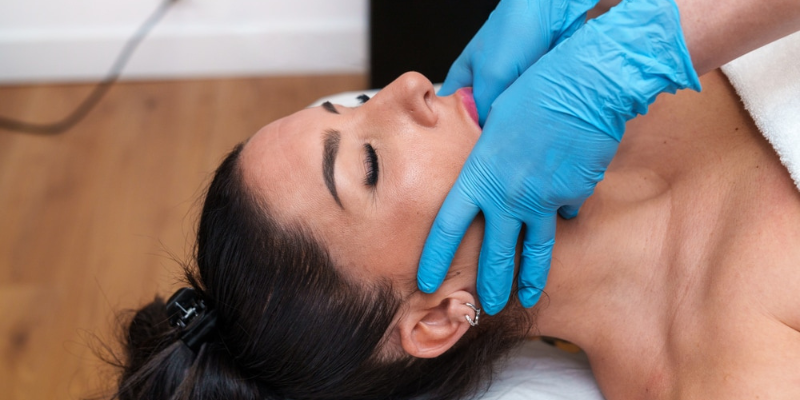
Tired of Jaw Pain? Discover Advanced TMJ Treatment Right Here
Jaw pain, chronic headaches, and clicking or popping sounds when chewing are more than just daily annoyances—they may be signs of a temporomandibular joint disorder (TMD), a condition affecting the hinge joint that connects your jaw to your skull. For individuals in areas like Duxbury, MA, where daily life can be fast-paced and stress-related habits like teeth grinding are common, understanding TMJ and its treatment options is crucial for long-term relief.
TMJ disorders can stem from a variety of causes, including bite misalignment, arthritis, trauma, muscle tension, or habitual behaviors like bruxism (teeth grinding). Thankfully, modern dentistry offers a wide range of treatment options—both traditional and innovative—that target the root causes of TMD and not just the symptoms.
Understanding Advanced TMJ Dysfunction
The temporomandibular joint allows the jaw to move up and down and side to side, enabling essential functions like speaking and chewing. When this joint becomes strained or misaligned, it can cause pain, limited movement, and referred symptoms such as headaches, neck pain, and even tinnitus.
Common signs of TMJ disorders include:
- Jaw soreness or stiffness
- Clicking, popping, or locking of the jaw
- Frequent headaches or migraines
- Earaches or ringing in the ears
- Facial or neck muscle fatigue
Treatment Options for TMJ Disorders
Because TMJ issues can have diverse causes, treatment often requires a multidisciplinary approach that combines medical, dental, and physical therapy techniques. Here are several evidence-based methods used to treat TMJ disorders:
1. Neuromuscular Diagnostics
Modern dental practices often begin TMJ assessment with neuromuscular evaluations. These tests measure how your jaw muscles function in relation to your bite and overall alignment. By identifying muscle strain and bite imbalances, providers can create a treatment plan tailored to restore jaw harmony.
2. Occlusal Adjustment (Bite Correction)
In cases where bite alignment contributes to jaw dysfunction, a conservative reshaping of the tooth surfaces may be recommended. This process, known as occlusal equilibration, helps eliminate uneven pressure points, allowing the jaw to close more comfortably and evenly.
3. Custom Oral Appliances
Custom-made nightguards or splints are commonly prescribed to reduce teeth grinding and stabilize the jaw during sleep. These devices are typically made of clear acrylic and are designed to realign the bite and minimize stress on the jaw muscles and joints.
4. Botox® Injections
For patients experiencing persistent muscle tension or bruxism-related TMJ symptoms, Botox can serve as a targeted therapy. When injected into overactive muscles, Botox helps reduce muscle contractions, which in turn eases pain and allows the jaw to function more normally. It’s important to note that Botox does not cure TMJ disorders but can be part of a larger management plan.
5. Laser Therapy
Low-level laser therapy (LLLT) is a non-invasive technique that stimulates tissue healing, reduces inflammation, and improves blood flow. Some dental practices incorporate laser therapy as an adjunct to conventional treatments to enhance recovery and relieve joint stiffness.
6. Restorative and Cosmetic Dental Treatments
Teeth that are worn, broken, or uneven due to long-term grinding can contribute to poor jaw alignment. Restorative procedures like crowns or onlays may be used to rebuild proper bite function. While often viewed through an aesthetic lens, cosmetic dental treatments can also play a therapeutic role in managing TMJ.
7. Physical Therapy and Behavioral Interventions
In addition to dental-based solutions, physical therapy is often recommended for TMJ patients to improve posture, increase jaw mobility, and strengthen supporting muscles. Stress management techniques, posture correction, and jaw exercises can all support the recovery process.
8. Sleep Apnea and TMJ Connection
Obstructive sleep apnea is sometimes linked with TMJ disorders, especially when patients clench or grind their teeth at night. Oral appliance therapy, often used for sleep apnea, can also reduce pressure on the TMJ and improve airway alignment.
The key to managing TMJ disorders lies in understanding the multifactorial nature of the condition and choosing a treatment path that addresses both symptoms and causes. From Botox injections and occlusal therapy to laser treatment and behavioral modification, patients have a range of proven options to explore.
Many modern dental practices, such as Wiemeyer Dentistry in Duxbury, MA, offer a blend of these services under one roof, combining neuromuscular diagnostics with restorative and therapeutic approaches to support long-term relief.
If you’re experiencing chronic jaw discomfort, it’s important to consult with a healthcare provider who specializes in TMJ disorders. With the right guidance and a comprehensive treatment plan, restoring comfort and function is absolutely within reach.
Why Choose Wiemeyer Dentistry in Duxbury, MA?
Our team at Wiemeyer Dentistry is passionate about helping patients reclaim a pain-free, fully functional smile. We offer a holistic TMJ treatment plan tailored to your individual needs, using cutting-edge technology, therapeutic techniques, and compassionate care.
Whether you’re dealing with mild jaw stiffness or debilitating facial pain, our goal is to provide lasting relief and improved quality of life—all under one roof in Duxbury, Massachusetts.