
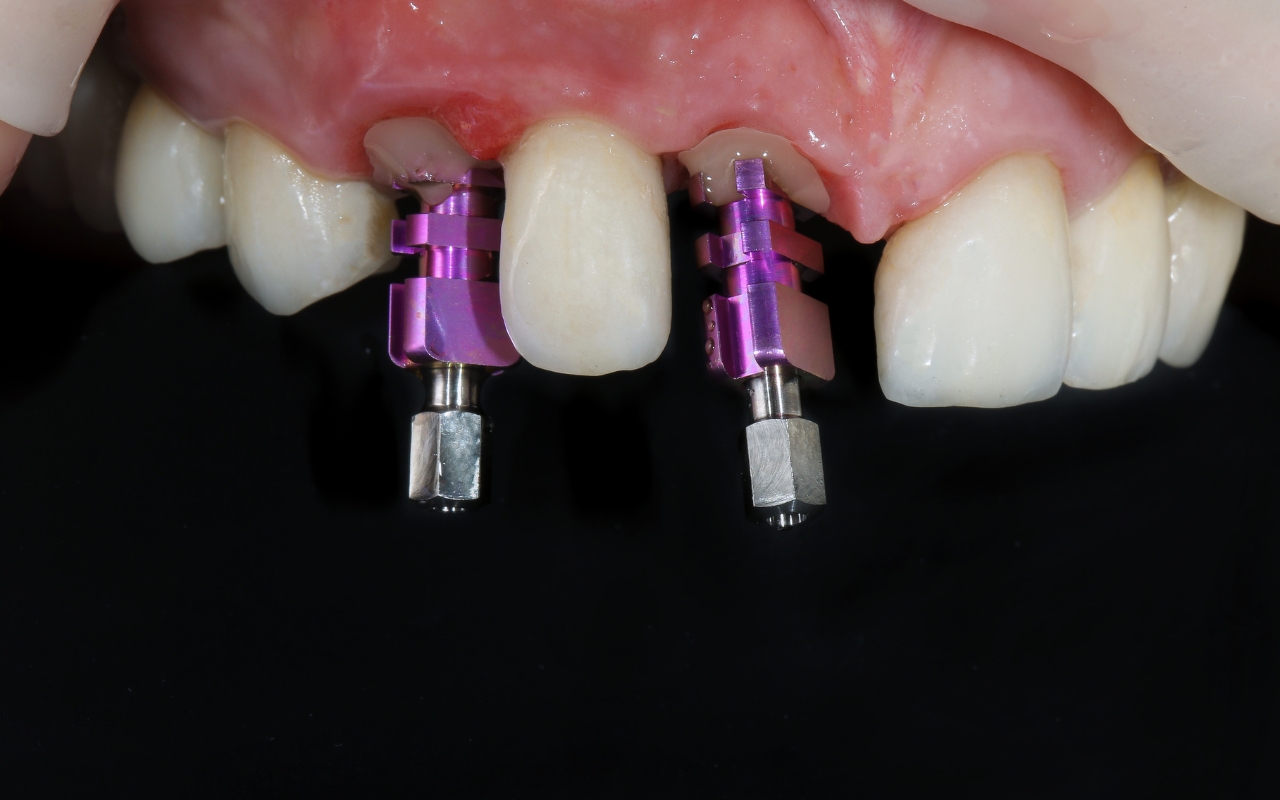
Understanding Abutment Implants: An In-Depth Guide to Dental Implants
Implants do more than replace missing teeth; they restore confidence, comfort, and natural function. A key part of this process is the abutment, the connector that links the implant post with the visible crown or bridge. Without it, the implant system isn’t complete. Want to know how abutment implants work, their benefits, and why choosing the right implant provider matters for long-term success? This blog will be your perfect guideline.
What Are Implants?
The system of dental Implants Duxbury and in other parts of the USA is made up of three essential parts:
- An implant post – a titanium or ceramic fixture placed into the jawbone.
- Abutment – a small connector that attaches to the implant post.
- Restoration – the visible crown, bridge, or denture fixed on top.
The abutment plays a critical role by providing a stable base for the crown and ensuring your bite feels natural. When placed correctly by a skilled Restorative Dentist Duxbury, abutments help achieve both strength and aesthetics.
Why the Abutment Matters?
While the implant post integrates with bone, the abutment is what allows the final tooth to function. It shapes gum tissue, supports chewing forces, and ensures the crown blends seamlessly with nearby teeth. An abutment that fits properly also helps prevent food traps and gum irritation. In short, the abutment is small but vital in achieving natural results.
What are the Different Types of Abutments Available?
Different situations call for different abutments:
- Stock – prefabricated, standard options often used in routine cases.
- Custom– digitally designed to match gum contours for a more natural look.
- Healing– temporary connectors that help gums heal before the permanent restoration.
- Angled– used when implants aren’t placed at perfect angles, often in full-arch restorations.
Material choice also matters. Titanium abutments provide durability and strength, while zirconia abutments offer a tooth-colored option that works well in the smile zone.
The Treatment Process Step-by-Step
Consultation and planning
Your dental practitioner examines your gums, bone levels, and bite. Digital scans and X-rays guide precise planning.
Implant placemen
The implant post is placed into the jawbone, where it fuses with bone over several months.
Abutment placement
Once healing is complete, the abutment is attached. The gums then heal around it for a natural appearance.
Restoration placement
A crown, bridge, or denture is designed and secured to the abutment, completing your new smile.
According to the American Dental Association, most implant treatments require multiple steps to ensure stability and long-term health.
Benefits of Implants with Abutments
Dental Implants Duxbury provide a natural appearance and function, seamlessly blending with your existing teeth. They offer a long-lasting solution that surpasses traditional bridges or dentures, ensuring durability and reliability over time.
Choosing this procedure prevents jawbone loss and maintains facial structure, supporting overall oral health. Working with a trusted Restorative Dentist Duxbury ensures the abutment and restoration are carefully selected for optimal beauty and function.
Common Risks to Consider
Although implants have a high success rate, patients should be aware of possible challenges:
- Gum irritation if the abutment doesn’t fit well.
- Infection around the implant occurs if oral hygiene is poor.
- Rare cases of implant screw loosening or crown fracture.
- Longer healing time if bone grafting or sinus lift is required.
Regular checkups and good home care help minimize these risks.
FAQs: Abutment Implants
How long does the implant and abutment process take?
Most cases take several months, allowing time for bone integration before the abutment and crown are placed.
Do abutments hurt when they’re placed?
The procedure is usually quick and done with local anesthesia. Discomfort is mild and temporary.
Are titanium or zirconia abutments better?
Titanium is stronger and widely used, while zirconia is more aesthetic for front teeth.
Can anyone get dental implants?
Good overall health, healthy gums, and adequate bone are required. A consultation determines candidacy.
How do I care for my implant abutments?
Daily brushing, flossing, and routine dental visits keep implants stable and healthy.
What should I do if my implant crown feels loose?
Contact your dentist immediately. Quick care can prevent bigger problems.
Considering Dental Implants? Here’s Your Next Move
Implants need more than just the post and crown; the abutment is the important piece that connects everything. Choosing the right materials and design ensures comfort, durability, and natural aesthetics. If you are considering implants, working with an experienced restorative dentist is the best way to achieve lasting results.
To take the next step, book a quick consultation today and learn about your options. For personalized advice, always contact your nearest local dental clinic to start your journey toward a healthier, more confident smile.