
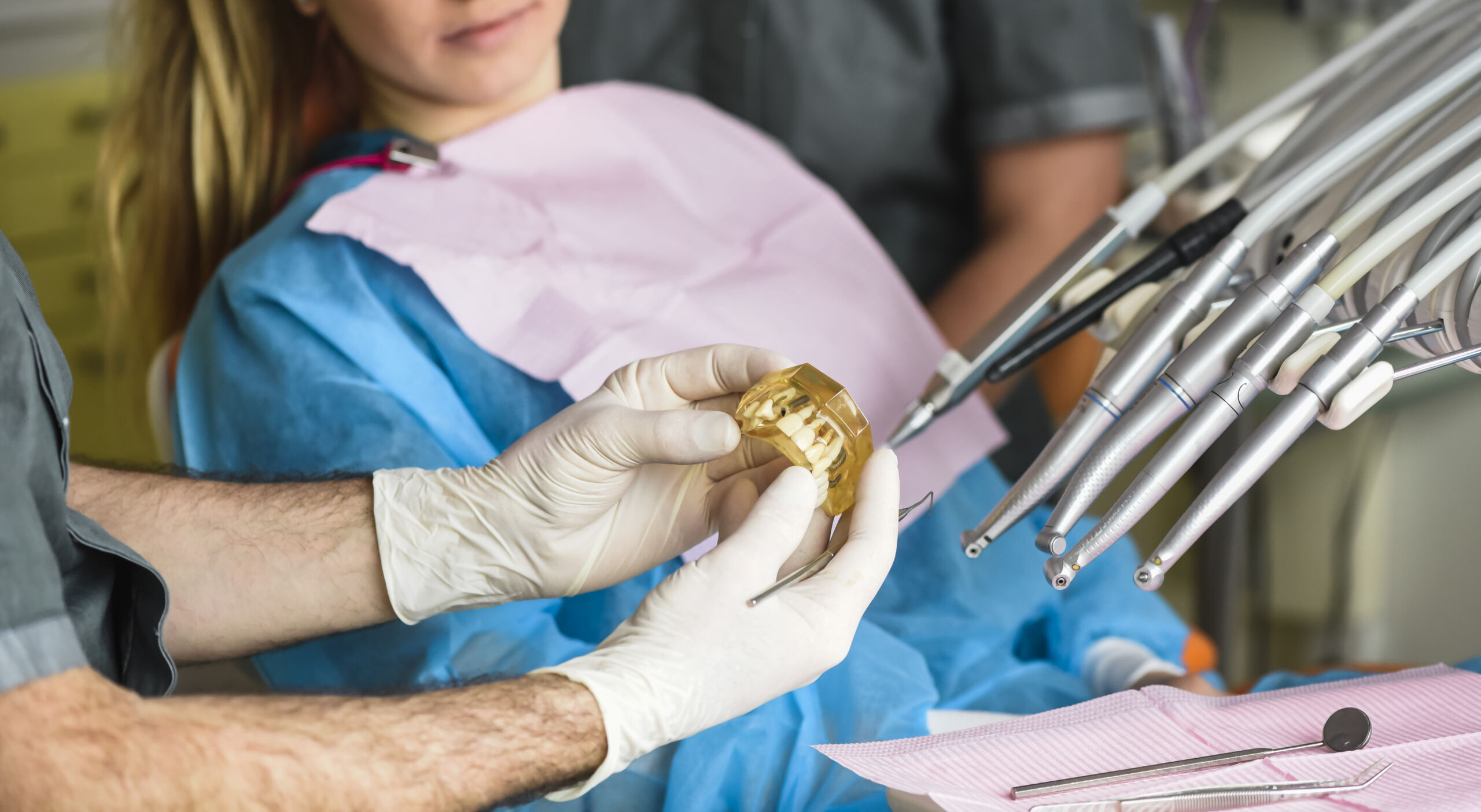
Bone Grafting and Its Role in Successful Dental Implants
Whether you consider dental implants in Duxbury or elsewhere, one procedure you might require is bone grafting. This procedure plays an essential role in ensuring the success of dental implants. It is primarily for individuals who have undergone bone loss due to injury, infection, or long-term tooth loss. Curious about how bone grafting works, why it’s needed, and the role it plays in supporting dental implants? Read this blog until the end to understand the process and why it’s vital for those seeking restorative dental solutions.
What is Bone Grafting?
It is a surgical procedure that involves adding bone material to the jawbone. This is often necessary for patients who have lost bone density in their jaws due to missing teeth or other dental conditions. A healthy jawbone is essential for implants because they need a stable foundation to integrate properly. Without sufficient bone, the implant may fail to bond securely with the bone, leading to complications.
There are several types of bone grafts, including:
- Autografts: Bone taken from another area of your body.
- Allografts: Donor bone from a cadaver.
- Xenografts: Bone derived from animals (typically cows).
- Synthetic Grafts: Lab-grown bone material.
Why is Bone Grafting Important for Dental Implants?
For successful dental implants in Duxbury, bone grafting can be essential for several reasons:
Restores Bone Volume
When a tooth is lost, the jawbone often starts to shrink over time due to a lack of stimulation. Bone grafting restores lost bone volume and density, ensuring a stable base for the dental implant.
Improves Implant Stability
Implants need a solid bone structure to integrate through a process called osseointegration. Without sufficient bone, there is a higher risk of implant failure. The grafting procedure ensures there’s enough bone for the implant to bond properly, reducing the risk of complications.
Prevents Further Bone Loss
This procedure helps prevent further deterioration of the jawbone by adding bone in areas where it has been lost, promoting overall oral health.
Enhanced Aesthetic Outcome:
Adequate bone ensures the implant can be placed at the right depth, leading to better functional and aesthetic outcomes, especially in the visible areas of the mouth.
How Bone Grafting Works?
The process typically involves a few steps:
- Initial Consultation with a Restorative Dentist in Duxbury: During the consultation, your dental practitioner will assess the condition of your jawbone using X-rays or 3D imaging. Based on the evaluation, they recommend whether bone grafting is necessary for you.
- Surgical Procedure: The bone grafting procedure is performed under local anesthesia. The implant dentist will make a small incision in the gum to access the jawbone. The graft material will then be placed, either through the use of autografts or synthetic materials.
- Healing Period: After the bone graft is placed, a healing period is required, usually several months. During this time, the bone and the graft material fuse together, creating a strong foundation for the implant.
- Implant Placement: Once the bone has healed sufficiently, your implant specialist will place the dental implant. The implant will integrate with the bone over the next few months.
Are You a Candidate for Bone Grafting?
Not all patients with missing teeth require bone grafting. If you have sufficient bone density in your jaw, you may be a suitable candidate for dental implants without additional procedures. However, if you have experienced significant bone loss, your restorative dentist in Duxbury may recommend bone grafting to ensure a stable foundation for the implant.
Certain factors may determine whether bone grafting is necessary, including:
- The extent of bone loss.
- The location of the missing teeth.
- Your overall oral health.
- Your medical history and ability to heal.
If you’re considering dental implants in Duxbury, it’s essential to discuss any concerns about bone loss with your dentist to determine the best course of treatment.
Common FAQs: Bone Grafting and Dental Implants
1. How long does it take to recover from bone grafting?
Recovery time varies depending on the type of graft used, but typically, it takes about 3 to 6 months for the bone to heal and integrate fully.
2. Is the bone grafting procedure painful?
Most patients experience minimal discomfort during the procedure, as local anesthesia is used. Post-surgical discomfort can usually be managed with over-the-counter pain medications.
3. What is the success rate of bone grafting for dental implants?
The success rate is generally high, with studies showing success rates of over 90% for both the grafting and implant integration processes.
4. Can bone grafts be rejected by the body?
Rejection of bone grafts is rare, particularly when using autografts or synthetic graft materials. The body’s immune system typically accepts the graft material, allowing it to fuse with the jawbone.
5. Are there any risks associated with bone grafting?
Like any surgical procedure, bone grafting involves certain risks such as infection, bleeding, or graft failure. However, these risks are minimal when performed by an experienced Restorative Dentist in Duxbury.
6. How much does bone grafting cost?
The cost of bone grafting depends on the complexity of the procedure and the type of graft used. It’s best to consult with your dentist to get an accurate estimate based on your specific needs.
A Perfect Tooth Replacement Is Just an Appointment Away
Bone grafting is a crucial part of ensuring the success of implants for patients who have experienced bone loss. By restoring the necessary bone structure, bone grafting enhances the stability and longevity of implants, helping you regain your smile and confidence.
If you are considering dental implants, consult with a restorative dentist Duxbury in to determine if bone grafting is a suitable option for you. Schedule a quick consultation with your local dental clinic today to discuss how bone grafting and dental implants can transform your smile and oral health.