
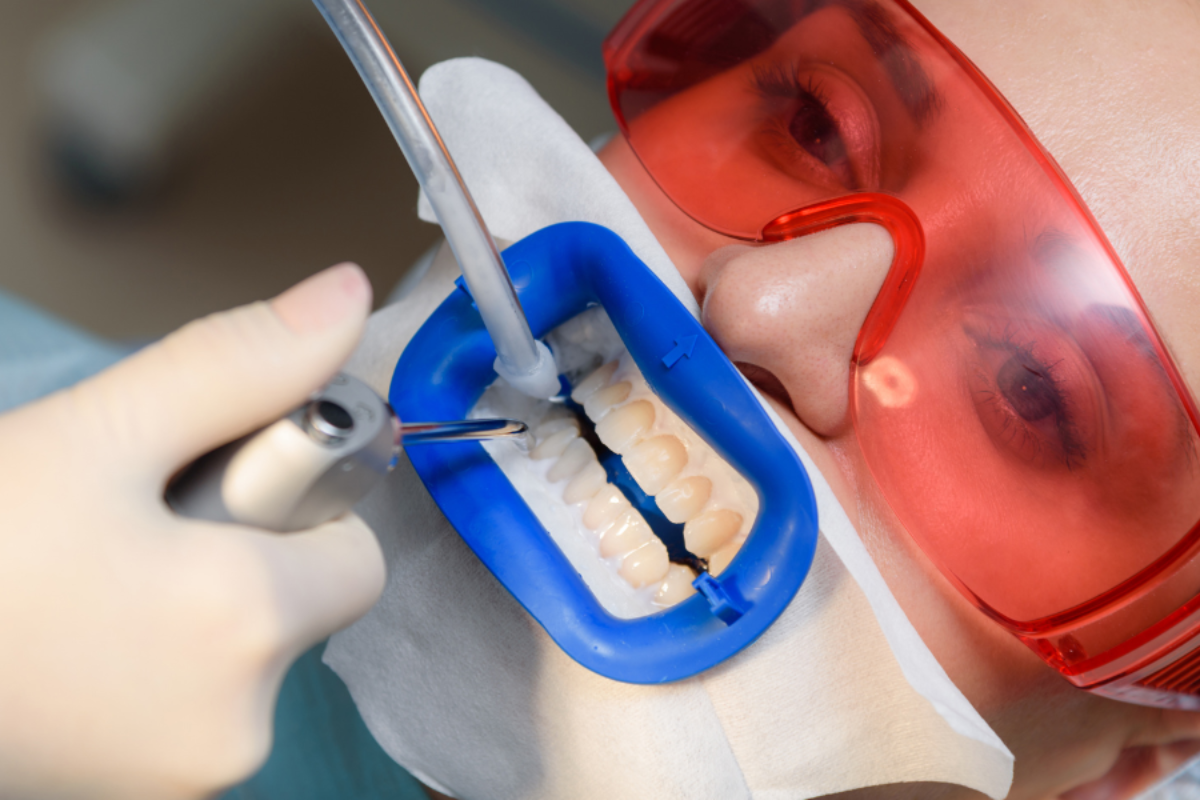
Common Causes of TMJ Disorders: Stress, Teeth Grinding, Injury, and More
Does your jaw click, pop, or feel sore when you chew? You might be dealing with a TMJ disorder. The temporomandibular joint (TMJ) connects your jawbone to your skull. When something goes wrong with it, everyday actions like eating or talking can become uncomfortable. If you’ve been looking into TMJ Treatment Duxbury, knowing what causes the problem is the right first step.
This post walks you through the most common causes of TMJ disorders, what symptoms to watch for, and how the right care can bring lasting relief.
What Is a TMJ Disorder?
A TMJ disorder (also called TMD) is a condition that affects the jaw joint and the muscles around it. It can cause pain, limited jaw movement, and strange sounds when you open or close your mouth. It’s more common than most people think, and it affects people of all ages.
Common Causes of TMJ Disorders
Stress and Jaw Tension
Stress is one of the biggest reasons people develop TMJ problems. When you’re stressed, you may clench your jaw without even knowing it. Over time, this puts too much pressure on the joint and surrounding muscles. If you wake up with a sore jaw or frequent headaches, stress may be playing a big role.
Teeth Grinding (Bruxism)
Grinding your teeth, especially at night, puts heavy strain on the TMJ. Many people who grind their teeth don’t know it until a dentist points it out. Bruxism can wear down your teeth and cause lasting damage to the joint if it’s left untreated. A custom night guard is one common way to manage this. Getting TMJ Treatment Duxbury early can keep the problem from getting worse.
Jaw Injury or Trauma
A hit to the face, a car accident, or a sports injury can damage the TMJ. Trauma can shift the alignment of the joint, damage the cartilage, or cause inflammation that leads to long-term pain. Even an injury from years ago can eventually lead to TMJ symptoms.
Bite Problems (Malocclusion)
When your teeth don’t come together properly, your jaw works harder to compensate. This uneven pressure wears out the joint over time. Crooked teeth, a misaligned bite, or missing teeth can all play a part in TMJ issues.
Arthritis
Osteoarthritis and rheumatoid arthritis can affect the TMJ just like any other joint in the body. In these cases, the cartilage in the joint breaks down, leading to stiffness and pain. This is more common in older adults but can happen at any age.
Poor Posture
Slouching or holding your head forward for long periods, like when looking at a phone or computer screen, strains the muscles connected to your jaw. Over time, poor posture can shift how your jaw sits and increase your risk of developing TMD.
Hypermobility
Some people have joints that move more than they should. In the jaw, this can cause the joint to slip out of place or become unstable. People with naturally loose joints may be more prone to TMJ problems over time.
Symptoms You Should Not Ignore
TMJ disorders can show up in ways that don’t seem connected to your jaw at first. Common symptoms include jaw pain or tenderness, clicking or popping sounds, difficulty chewing, earaches, headaches, and a locked jaw. Some people also feel pain in their neck or shoulders because the jaw muscles are connected to that area.
If any of these symptoms have lasted more than a week or two, it’s worth getting checked out.
Who Is at Higher Risk?
Women between the ages of 20 and 40 are diagnosed with TMJ disorders more often than others. People with a family history of joint problems, those who grind their teeth, or those with high stress levels are also more likely to develop TMD. Here in coastal New England, many people lead active, demanding lives, and jaw strain can build up quietly alongside everyday pressures.
How Is a TMJ Disorder Treated?
Treatment depends on what’s causing the problem and how severe it is. Most cases can be managed without surgery. Options include custom night guards, physical therapy for the jaw, stress reduction techniques, bite adjustments, anti-inflammatory medication, and splint therapy.
At Wiemeyer Dentistry, we take time to understand what’s driving your symptoms before suggesting a plan. Good TMJ Treatment Duxbury starts with a thorough exam and an honest conversation about your history and daily habits.
When to See a Dentist
If your jaw pain has lasted more than a week or two, if you’re waking up with headaches regularly, or if your teeth are wearing down faster than they should, it’s time to see a professional. A dentist who understands TMJ disorders well can spot patterns that point to the cause and recommend the right path forward.
If you’ve been searching for a dentist near me for jaw pain relief, you don’t have to keep guessing at what’s wrong. A proper evaluation makes all the difference.
Conclusion
TMJ disorders are more manageable than most people expect, especially when caught early. Whether your symptoms come from stress, teeth grinding, an old injury, or a bite problem, real solutions are available. If you’re dealing with ongoing jaw pain or discomfort, schedule a consultation with Wiemeyer Dentistry. Our team takes the time to understand your situation and offer care that fits your needs.
You deserve to chew, talk, and sleep without jaw pain. Contact our Wiemeyer Dentistry office today to set up your visit. Or look up a trusted dentist near me who focuses on TMJ Treatment Duxbury to take the first step toward lasting relief.
Frequently Asked Questions
1. What is a TMJ disorder?
A TMJ disorder is a condition that affects the jaw joint and the muscles that control jaw movement. It can cause pain, popping sounds, and limited jaw motion. It’s often very treatable with the right care.
2. Can stress really cause jaw pain?
Yes. Stress causes many people to clench their jaw, especially during sleep. This repeated tension puts strain on the joint and muscles, which can lead to pain over time.
3. How do I know if I grind my teeth at night?
Common signs include waking up with a sore jaw or headache, worn-down teeth, and increased tooth sensitivity. A dentist can check for grinding patterns during a routine exam.
4. Is a TMJ disorder permanent?
Not always. Many people see real improvement with the right treatment plan. Addressing the root cause, whether it’s grinding, stress, or a bite issue, can bring long-term relief.
5. What does a night guard do for TMJ?
A night guard is a custom-fitted device you wear while sleeping. It keeps your upper and lower teeth from grinding against each other, which reduces pressure on the jaw joint and helps protect your teeth.
6. Can TMJ problems affect my ears?
Yes. The jaw joint sits very close to the ear canal. When the joint is inflamed or out of place, it can cause earaches, a feeling of fullness in the ears, or even a ringing sound.
7. When should I see a dentist for jaw pain?
If your jaw pain has lasted more than one to two weeks, if it’s affecting your ability to eat or sleep, or if you notice clicking sounds along with headaches, it’s a good time to get a professional evaluation.
8. Does TMJ treatment require surgery?
Most TMJ cases do not need surgery. Non-surgical options like night guards, bite adjustments, and physical therapy work well for the majority of patients. Surgery is only considered when other treatments haven’t helped and the condition is severe.