
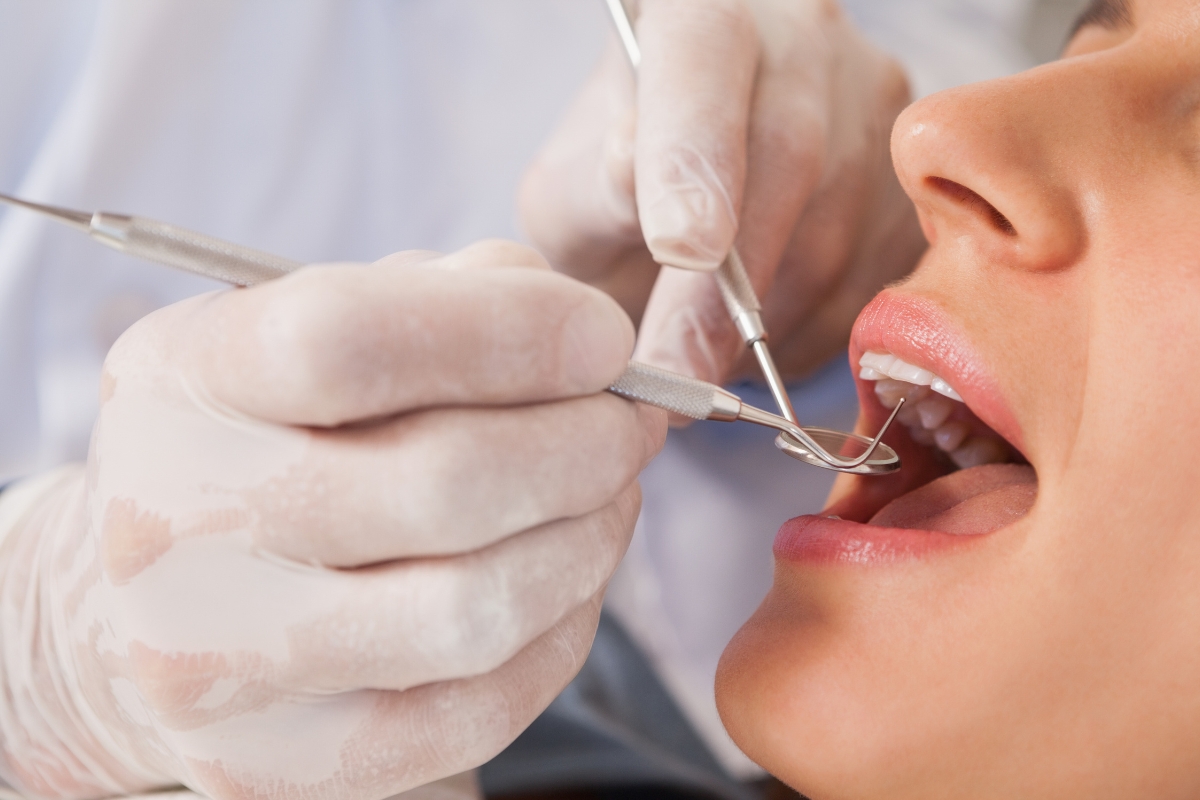
Cosmetic Bonding: Quick Fixes for Minor Flaws
A perfect smile doesn’t always require lengthy procedures or expensive treatments. Sometimes, a small fix can make a world of difference. If you’re looking to correct minor imperfections in your teeth, cosmetic bonding might just be the solution you need. This simple, effective cosmetic procedure is a quick way to address chipped, cracked, or discolored teeth. Bonding provides a quick, minimally invasive way to improve your smile or fix small flaws. That’s why many people are drawn to cosmetic dentistry Duxbury to fix their teeth’s aesthetic flaws.
What is Cosmetic Bonding?
Dental bonding, also known as dental bonding, is a cosmetic dentistry procedure that involves applying a tooth-colored resin to the surface of a tooth. This resin is then shaped, smoothed, and hardened with a special light, ensuring it blends seamlessly with your natural teeth. The result is a more uniform, aesthetically pleasing smile that can last for several years with proper care. For many patients in this and surrounding areas, dental bonding is an ideal solution for correcting minor imperfections like:
- Chipped or cracked teeth
- Discolored teeth
- Gaps between teeth
- Uneven tooth surfaces
This procedure can usually be completed in one visit, and no anesthesia is required unless it’s needed for more extensive repairs.
Why Choose Cosmetic Bonding?
If you enjoy spending time at the famous Duxbury Beach, you know how important it is to have a bright, confident smile to complement those sun-filled days by the water. One of the key benefits of this treatment is its speed. Unlike more complex treatments like veneers or crowns, bonding typically takes less than an hour per tooth. This makes it a popular choice for people who are looking for a quick fix without the time commitment of other procedures.
Additionally, dental bonding is a non-invasive procedure, meaning that there’s no need for any removal of tooth structure. The bonding material is directly applied to the tooth’s surface, shaped, and hardened, which minimizes the risk of damage to your natural teeth.
Another major advantage is that bonding is much more affordable than other options, like crowns or veneers. If you’re on a budget but still want to enhance your smile, bonding can provide a cost-effective solution that doesn’t compromise on quality.
How Does Cosmetic Bonding Work?
As the weather warms up in ther city, residents start enjoying outdoor activities like hiking at the Duxbury Town Forest or spending time at the picturesque Snug Harbor. However, before you take the first step, first learn about the procedure since it is quite straightforward. If you are considering cosmetic dentistry Duxbury, then here’s what you can expect:
- Consultation and Planning: Your dentist will first evaluate your teeth and discuss your cosmetic goals. This may include taking X-rays or examining the overall health of your teeth to ensure bonding is a good option.
- Tooth Preparation: Unlike other cosmetic procedures, bonding usually requires little to no tooth preparation. Your dentist will clean the tooth and apply a mild acid to help the resin adhere better.
- Application of Resin: The tooth-colored composite resin is then applied to the tooth and molded into shape. The dentist will make sure it looks natural and aligns well with your smile.
- Hardening the Bond: A special light is used to harden the resin. Once hardened, your dentist will polish the bonded area to match the rest of your teeth.
- Final Touches: The final result is a smooth, durable tooth restoration that blends seamlessly with the rest of your teeth. Your smile will look natural and refreshed in just one appointment.
Common Uses of Cosmetic Bonding
When you’re attending local events like the Duxbury Summer Seafood Festival, showcasing your beautiful smile can make all the difference. This treatment is a versatile procedure that can address a wide variety of dental issues. Here are some of the most common reasons people opt for bonding:
- Repairing Chipped or Cracked Teeth: If you have a tooth that’s chipped or cracked, bonding can quickly restore its appearance.
- Filling Gaps Between Teeth: Bonding can be used to fill small gaps or spaces between teeth, improving both function and aesthetics.
- Correcting Discoloration: If your teeth are discolored or stained, bonding can cover the affected area and restore a whiter, brighter smile.
- Shaping Uneven Teeth: Bonding can also be used to reshape teeth that are uneven in size or length, creating a more balanced look.
Durability and Maintenance of Bonded Teeth
Cosmetic Dentistry offers many services, like bonding, which is a durable solution. However, it’s important to follow some basic care guidelines to ensure the longevity of your results. While the resin used in bonding is strong, it’s not as durable as materials like porcelain. That means you should avoid biting into hard foods or using your teeth to open packages.
To maintain the best results, practice good oral hygiene, including regular brushing, flossing, and routine checkups. Avoid habits like smoking, which can stain your teeth, as bonding material is susceptible to discoloration over time.
Make a Quick Consultation Today!
If you’re considering cosmetic dentistry Duxbury for bonding, schedule a consultation with a trusted local dentist to discuss your options. A quick consultation will allow you to learn more about the process, determine if bonding is right for you, and understand how it can help you achieve the smile you’ve always wanted.
After your consultation, contact a local dental clinic to book your appointment and start your journey toward a more beautiful, confident smile. Don’t let imperfections hold you back. Dental bonding is a simple solution that can make a lasting difference.
Frequently Asked Questions: Cosmetic Bonding
1. What is cosmetic bonding?
This treatment is a dental procedure where tooth-colored resin is applied to correct imperfections like chips, cracks, and discoloration. It’s a quick, non-invasive solution for improving the appearance of your teeth.
2. How long does cosmetic bonding last?
Dental bonding typically lasts between 3 and 10 years, depending on how well you care for your teeth and the material’s exposure to daily wear.
3. Is cosmetic bonding painful?
No, dental bonding is usually pain-free. Sedation is typically not needed unless the tooth requires extensive reshaping.
4. Can cosmetic bonding be used for front teeth?
Yes, bonding is often used to restore the appearance of front teeth, especially for minor imperfections like chips or gaps.
5. How do I care for my bonded teeth?
Maintain good oral hygiene with regular brushing and flossing, and avoid biting hard objects. Regular dental checkups will also help ensure your bonding lasts longer.
6. Is cosmetic bonding covered by insurance?
In some cases, dental insurance may cover dental bonding if it’s considered necessary for dental health, but coverage for purely aesthetic procedures is often limited. It’s best to check with your insurance provider.
7. Can bonding be removed?
Yes, cosmetic bonding can be removed or adjusted by your dentist if needed. However, the material is designed to last for many years before requiring maintenance.