
Dental Implants: Complete Guide to Procedure, Benefits, Risks, and Longevity
If you are missing one or more teeth, you already know how it affects your confidence, your bite, and even the way you speak. Dental implants have become one of the most trusted solutions for replacing missing teeth, and for good reason. At Wiemeyer Dentistry, we help patients in Duxbury and the surrounding communities understand their options so they can make the best decision for their smile and their health.
What Are Dental Implants?
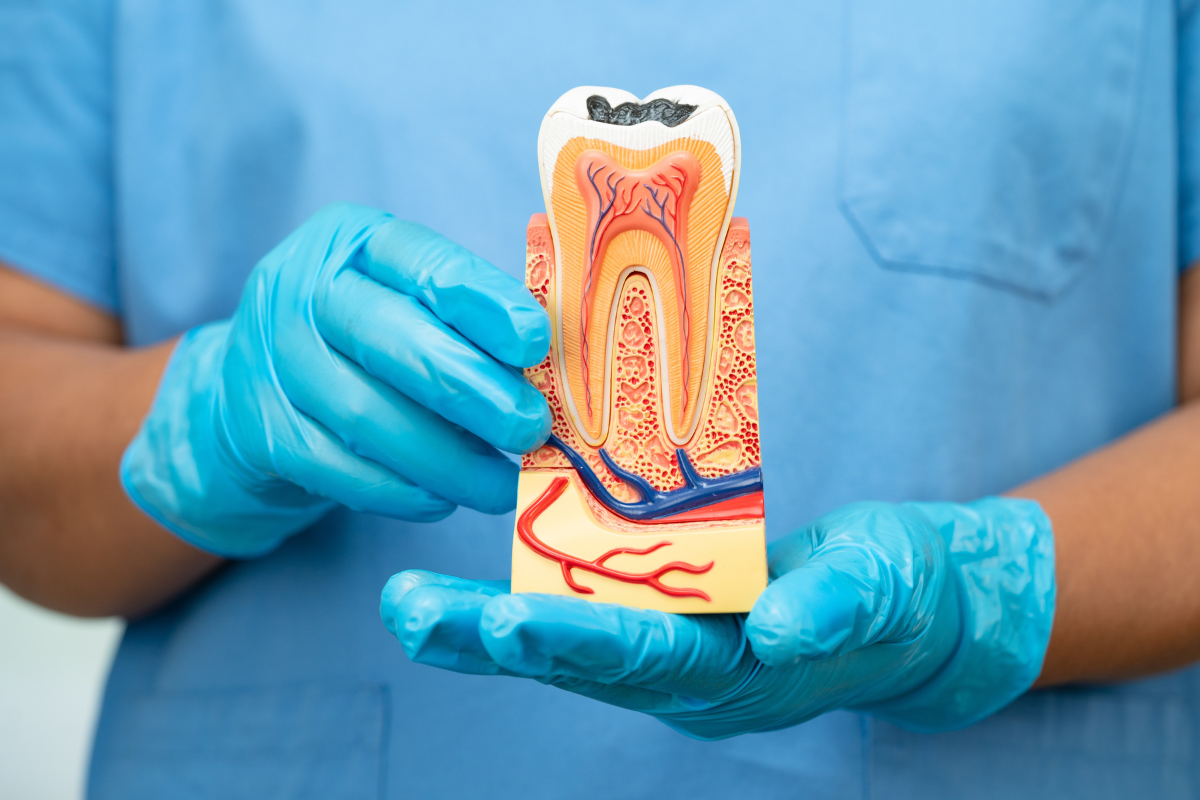
A dental implant is a small titanium post that is placed into your jawbone to act as an artificial tooth root. Once it bonds with the bone, a crown (the visible part of the tooth) is attached on top. The result looks and functions like a natural tooth.
There are three main parts:
- The implant post (placed in the bone)
- The abutment (connects post to crown)
- The crown (the visible tooth)
Unlike dentures or bridges, implants are fixed in place. You do not remove them at night. You care for them just like your real teeth.
Who Is a Good Candidate?
Most healthy adults who have lost one or more teeth are good candidates. Here is what matters most:
Good bone density. The implant needs enough jawbone to anchor into. If bone loss has occurred, a bone graft may be needed first.
Healthy gums. Gum disease needs to be treated before implants are placed.
No uncontrolled health conditions. Conditions like unmanaged diabetes or certain medications can slow healing.
Non-smoker (or willing to quit). Smoking raises the risk of implant failure significantly.
A proper evaluation at a dental office will confirm whether implants are right for you. If you have been searching for a dentist near me who places implants, Wiemeyer Dentistry offers thorough consultations to assess your candidacy with no pressure.
The Dental Implant Procedure: Step by Step
Understanding what happens at each stage helps reduce anxiety and sets realistic expectations.
Step 1: Consultation and Imaging Your dentist takes X-rays or 3D scans to evaluate your bone structure and plan the placement precisely.
Step 2: Tooth Extraction (if needed) If the damaged tooth is still present, it is removed first. Sometimes the implant can be placed the same day.
Step 3: Bone Grafting (if needed) If your jawbone is too thin, a bone graft adds volume. This step adds healing time, usually a few months.
Step 4: Implant Placement The titanium post is placed into the jawbone during a minor surgical procedure. Local anesthesia is used. Most patients report the process is less uncomfortable than they expected.
Step 5: Osseointegration This is the healing phase where the implant fuses with the bone. It takes about 3 to 6 months.
Step 6: Abutment Placement Once healed, a small connector piece is attached to the post.
Step 7: Crown Placement A custom-made crown is attached. It is matched to the color and shape of your surrounding teeth.
The full process takes several months, but each step is straightforward and manageable.
Benefits of Dental Implants
Dental Implants Duxbury patients choose at Wiemeyer Dentistry offer advantages that other tooth replacement options simply cannot match.
They look completely natural. Crowns are custom-made to blend with your smile.
They feel and function like real teeth. You can eat, speak, and smile without worry.
They protect your jawbone. When a tooth is lost, the bone beneath it begins to shrink. Implants stop that process.
They last a very long time. With proper care, implants can last 20 years or more. Many last a lifetime.
They do not affect neighboring teeth. Unlike a bridge, implants do not require grinding down healthy teeth.
They are easy to maintain. Brush and floss normally. No special soaking or adhesives required.
Risks and Honest Considerations
Like any procedure, dental implants carry some risks. Being informed helps you prepare.
Infection. Rare but possible, especially if post-care instructions are not followed.
Implant failure. In about 5 to 10% of cases, the implant does not fuse properly with the bone. Smoking and poor bone density are the main risk factors.
Nerve sensitivity. Temporary numbness or tingling can occur. Permanent nerve damage is uncommon.
Longer timeline. The process takes months, not days. Patients who need bone grafting wait longer.
Cost. Implants cost more upfront than dentures or bridges. However, their longevity often makes them more cost-effective in the long run.
Being honest about these factors helps patients make informed choices.
How Long Do Dental Implants Last?
This is the question most patients ask first. The implant post itself, when properly placed and cared for, can last a lifetime. The crown on top typically lasts 10 to 15 years before it may need replacement due to normal wear.
Factors that affect longevity include:
- Daily oral hygiene habits
- Regular dental checkups
- Avoiding habits like teeth grinding or chewing ice
- Not smoking
Patients who commit to good oral care see the best long-term results. The Dental Implants Duxbury patients receive at Wiemeyer Dentistry are placed with precision techniques to maximize long-term success.
Cost of Dental Implants
A single dental implant in the United States typically ranges from $3,000 to $5,000. This includes the post, abutment, and crown. If bone grafting is needed, the cost increases.
Many dental insurance plans do not fully cover implants, but some cover portions like the crown. Flexible payment plans can also make the cost more manageable. Ask about financing options during your consultation.
Dental Implants vs. Other Options
| Option | Looks Natural | Lasts Long | Protects Bone | Removable |
| Dental Implants | Yes | 20+ years | Yes | No |
| Dental Bridge | Yes | 10-15 years | No | No |
| Dentures | Somewhat | 5-8 years | No | Yes |
For most patients who qualify, implants are the strongest long-term choice.
Frequently Asked Questions
1. Does the dental implant procedure hurt?
Most patients are surprised by how manageable it is. Local anesthesia is used during the procedure. Mild soreness and swelling for a few days after is normal and handled with over-the-counter pain relievers.
2. How do I care for my implant after surgery?
Avoid hard or crunchy foods for a few days. Rinse gently with saltwater. Brush carefully around the area. Follow all post-care instructions from your dentist.
3. Can dental implants fail?
Yes, but it is uncommon. Failure is more likely in people who smoke, have poorly managed diabetes, or have significant bone loss. Choosing an experienced provider and following aftercare reduces risk.
4. Am I too old for dental implants?
Age alone is not a barrier. Adults in their 70s and 80s successfully receive implants. What matters most is overall health and bone quality.
5. How long does it take to recover?
Initial healing after placement takes about 1 to 2 weeks. Full osseointegration (bone fusion) takes 3 to 6 months. You can usually return to normal activities within a few days.
6. Can I get an implant the same day a tooth is removed?
In some cases, yes. This is called immediate placement. Your dentist will determine if your situation allows for it based on bone health and other factors.
7. Will my dental insurance cover implants?
Coverage varies by plan. Some plans cover portions of the procedure, such as the crown. It is best to check with your insurance provider and discuss payment options during your consultation.
8. Are there any foods I should avoid permanently after getting an implant?
No permanent restrictions. Once fully healed, you can eat normally. However, avoiding habits like chewing on hard items (ice, hard candy) protects both natural teeth and implants.
Making Your Decision
Losing a tooth does not have to mean living with a gap in your smile or relying on removable options. Dental implants offer a reliable, long-lasting solution that works and feels like your natural tooth.
If you have been searching for a dentist near me who takes time to explain your options clearly, Wiemeyer Dentistry is here for you. We serve the Duxbury, MA community with honest, patient-centered dental care. Our team walks you through each step, answers every question, and helps you feel confident in your decision.
To learn whether Dental Implants Duxbury patients trust at our practice are the right fit for your smile, schedule a consultation with Wiemeyer Dentistry today. Contact our Wiemeyer Dentistry office to book your appointment and take the first step toward a complete, healthy smile.