
How Custom Night Guards Help Relieve TMJ Symptoms?
What’s the role of night guards for TMJ? They reduce pain and protect the jaw. Temporomandibular joint (TMJ) pain can affect millions of Americans, disrupting daily comfort, sleep, and even work performance, and not just occasionally. The National Institute of Dental and Craniofacial Research estimates that over 10 million Americans experience jaw joint pain related disorders, which can include jaw pain, clicking, and difficulty chewing. Custom night guards are among the most effective TMJ treatment Duxbury available. It provides relief by addressing the root cause of discomfort rather than just masking symptoms. In Duxbury, where coastal living and active outdoor lifestyles are cherished, getting a restful night’s sleep without jaw pain can make all the difference in your day.
Temporomandibular Joint: What Causes Jaw Pain & Discomfort?
The temporomandibular joint connects your lower jaw to your skull and allows essential functions like chewing, speaking, and yawning. When this joint is stressed by clenching or grinding (bruxism), inflammation and muscle tension can develop. This leads to persistent pain and mobility issues. Bruxism itself affects a significant portion of people globally, with estimates suggesting about 22% of individuals exhibiting some grinding or clenching behavior.
This ongoing tension not only causes jaw discomfort but can also contribute to headaches, ear pain, and even worn dental restorations. TMJ pain left untreated can worsen over time, making effective intervention critical for long-term oral health.
What Are The Symptoms Of Temporomandibular Joint Pain?
The symptoms can range from mild discomfort to severe pain and often interfere with everyday activities. Here are some common symptoms:
- Jaw Pain: This is the most common symptom and is often felt in the jaw joint or around the ear. Pain may worsen when chewing or speaking.
- Clicking or Popping Sounds: Many people with TMJ hear a clicking or popping sound when opening or closing their mouths. This is caused by the jaw joint becoming misaligned.
- Jaw Locking: In severe cases, the jaw may feel “locked,” making it difficult to open or close, making eating or speaking difficult.
- Frequent Headaches: It is commonly associated with tension headaches, which can cause discomfort throughout the head and neck.
- Neck and Shoulder Pain: This can lead to muscle tension in the neck and shoulders due to the strain on jaw muscles.
- Earaches or Tinnitus: Some people with TMJ experience ear pain, a feeling of fullness in the ear, or even ringing in the ears (tinnitus), which can be related to jaw tension.
How Custom Night Guards Alleviate TMJ Discomfort?
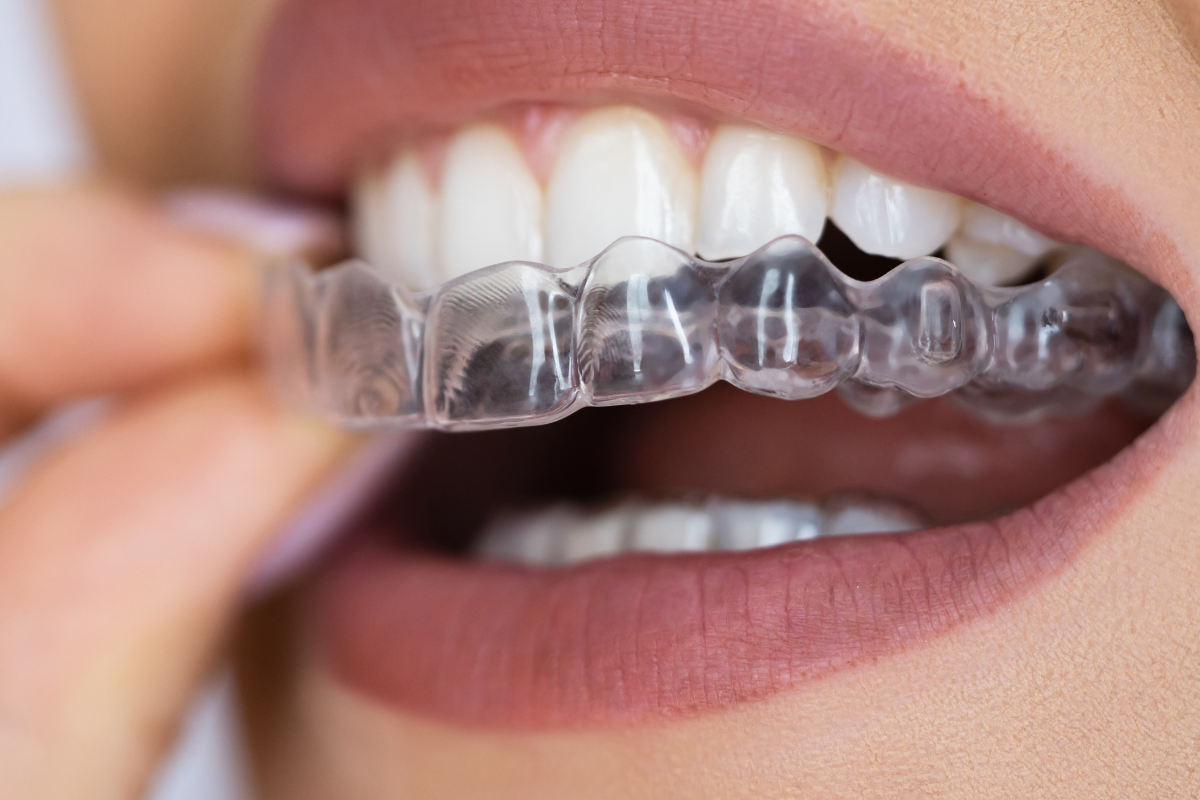
Custom night guards are individually crafted dental appliances that fit snugly over your upper or lower teeth. By providing a barrier between the teeth, these guards prevent direct grinding and clenching during sleep, easing pressure on the jaw muscles and reducing strain on the joint. This action helps protect tooth enamel and minimizes symptoms like jaw soreness and headaches.
Additionally, night guards help promote balanced jaw alignment, which in turn supports more natural jaw movement and reduces muscle hyperactivity. Many patients notice that regular use leads to fewer morning aches and a more relaxed jaw throughout the day.
Additional TMD Treatments To Complement Night Guards
While custom night guards are a primary treatment for TMD, they can be even more effective when combined with other treatments. Depending on the severity of your symptoms, the dentist near you may recommend:
- Physical therapy: Specific exercises to improve jaw function and reduce muscle tension.
- Stress management techniques: Relaxation exercises, yoga, or counseling to address the underlying causes of teeth grinding.
- Medications: Over-the-counter pain relievers or muscle relaxants to alleviate discomfort.
- Botox injections: In some cases, Botox can be used to reduce jaw muscle tightness, relieving your symptoms.
Custom Night Guards vs. Store‑Bought Versions
While over‑the‑counter night guards are available, they may not provide the precise fit and support needed for effective TMD relief. Custom guards are crafted from impressions of your teeth, ensuring a tailored fit that stays secure and comfortable throughout the night. This personalized approach reduces the risk of irritation and improves long‑term comfort compared with generic alternatives.
Visiting a dentist near me who specializes in temporomandibular joint dysfunction disorders care ensures your night guard is custom-made for your teeth. Unlike one-size-fits-all options, a custom night guard fits better and is more comfortable, helping prevent worsening of your symptoms or bite problems.
The Benefits Of Custom Night Guards For TMJ Relief
Beyond TMD symptom relief, custom night guards offer other oral health advantages:
- Protects Your Dental Work: Constant grinding wears down enamel and can damage crowns or fillings.
- Improves Sleep Quality: Less nighttime jaw pain often leads to deeper, more restorative sleep.
- Reduces Headaches: By minimizing muscle tension, night guards can help reduce the frequency of tension headaches tied to jaw clenching.
For active families of Duxbury, where outdoor activities like paddleboarding on Duxbury Beach or cycling along the Duxbury Bay are popular, TMJ symptoms can be a major hindrance. Custom night guards not only help alleviate the discomfort but also ensure you can continue enjoying your favorite activities without pain. Whether you’re kayaking at sunset or taking part in a weekend hike, a good night’s sleep and a relaxed jaw are essential in staying active and pain-free.
When To Seek Professional TMJ Treatment, Duxbury?
If you experience persistent jaw pain, frequent headaches, or audible clicking in your jaw, it’s a sign that professional evaluation is needed. A consultation enables a thorough assessment of your bite, jaw joint function, and muscle activity. From there, your provider can recommend a treatment plan that may include custom oral shields alongside other supportive strategies.
Incorporating targeted interventions early can prevent additional wear on your teeth. Moreover, it will help maintain long‑term jaw health without progressing to more invasive procedures.
Role Of Custom Night Guards In Long-Term TMD Management
Custom night guards are not only a short-term solution but also an essential part of long-term management of temporomandibular joint dysfunction. Regular use of a night guard can prevent further strain on the temporomandibular joint, maintain jaw alignment, and help you continue living pain-free.
Start TMJ Relief With Personalized Care
If TMJ pain is affecting your sleep, daily comfort, or ability to enjoy your favorite activities, it’s time to take action. Schedule a quick consultation with a trained local dental professional to receive a custom-made mouthguard. The goal is to help you achieve lasting comfort so you can sleep well and live well without jaw pain.
So, don’t wait for symptoms to worsen! Contact a local office today to explore your TMJ treatments, Duxbury, and plan that includes a personalized night guard crafted to protect your jaw and improve your quality of life.
Frequently Asked Questions
1. Can TMJ symptoms get worse without treatment?
Yes, persistent TMD symptoms often progress when left untreated, potentially leading to chronic pain and increased joint damage over time. Early evaluation helps ensure better long‑term outcomes by reducing further strain and degeneration.
2. Is grinding or clenching teeth a cause of TMJ?
Teeth grinding and clenching (bruxism) place excessive repetitive strain on the jaw muscles and joint, significantly contributing to TMJ symptoms. This repetitive tension gradually inflames muscles and alters jaw function.
3. Will night guards cure a TMD disorder?
Night guards help reduce strain and protect teeth, but do not cure the underlying TMJ disorder itself. They are most effective as part of a broader treatment approach that targets root causes.
4. What are common symptoms that indicate TMJ?
Common signs include jaw pain during movement, clicking or popping sounds, limited mouth opening, headaches, and ear‑related discomfort. These symptoms often overlap and should prompt professional evaluation.
5. Do stress and lifestyle affect temporomandibular joint dysfunction disorders?
Stress can exacerbate the symptoms because it increases muscle tension and clenching habits, especially during sleep. Reducing stress and modifying behaviors, such as excessive gum chewing, may help reduce symptom severity.