
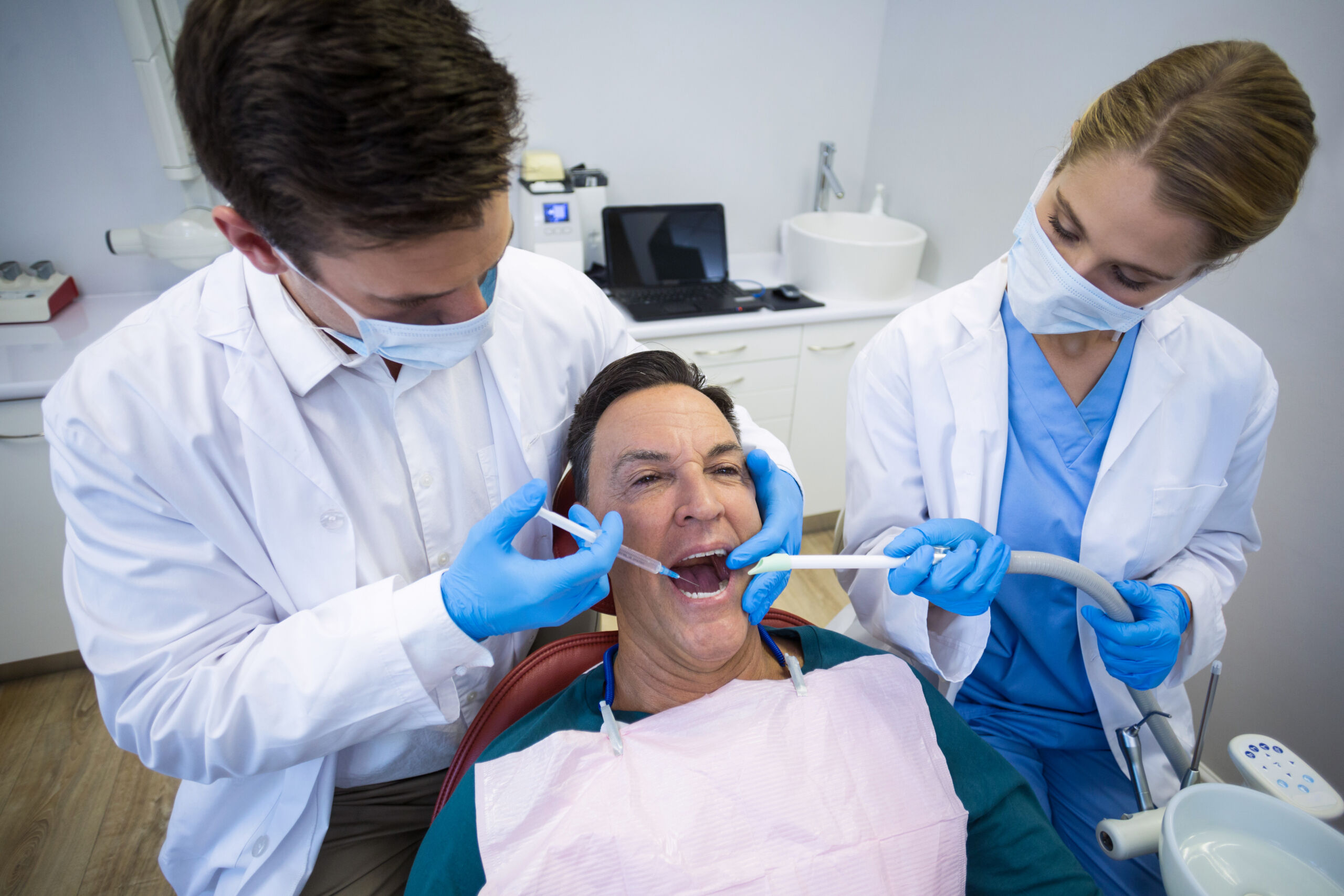
Restorative Dental Treatments That Bring Back a Healthy, Confident Smile
A healthy smile does more than help you look good; it also supports proper chewing, clear speech, and overall confidence. Teeth that are damaged, decayed, or missing can affect daily life in many ways. Modern dentistry offers several restorative options that repair, rebuild, and rejuvenate your smile with lasting results.
When you visit a restorative dentist Duxbury, the goal isn’t just to fix a single tooth. It’s to restore comfort, balance, and function to your entire mouth. Whether you have cavities, worn enamel, or missing teeth, restorative care helps rebuild your smile ince again.
Understanding Restorative Dentistry
The American Dental Association (ADA) defines restorative dentistry as the branch focused on repairing or replacing damaged or missing teeth. These treatments don’t just make teeth look complete again—they restore the natural ability to chew and speak comfortably while preventing future complications.
A restorative dentist Duxbury uses advanced materials and precise techniques to rebuild teeth’s strength and appearance. From fillings to implants, restorative procedures are customized to meet dental health needs and restore confidence.
If you’ve been searching for a dentist near me who offers comprehensive care, learning about the different restorative treatments can help you choose the right one for your situation.
1. Dental Fillings – Stopping Decay Early
When decay starts, it weakens the outer layer of your tooth. Fillings repair this damage before it spreads deeper. Modern fillings are made from tooth-colored composite materials that blend naturally with your enamel. They restore structure and protect the tooth from future cavities while maintaining a natural appearance.
2. Dental Crowns – Restoring Strength and Shape
Crowns, often called “caps,” cover a tooth that’s cracked, worn, or weakened by decay. A crown restores the tooth’s original shape, size, and strength. It’s a common solution after root canal treatment or large fillings. With proper care, crowns can last many years and help you chew comfortably again.
3. Dental Bridges – Filling the Gaps
A missing tooth can change how you bite and even affect your speech. Dental bridges “bridge” the gap between healthy teeth by anchoring an artificial tooth in place. They restore appearance and prevent surrounding teeth from shifting out of position.
4. Dentures – Rebuilding a Complete Smile
When several or all teeth are missing, dentures offer a reliable way to restore your ability to eat and speak. Modern dentures are lighter, more comfortable, and more natural-looking than ever. Partial dentures replace several missing teeth, while full dentures restore an entire arch. Regular adjustments ensure a secure and comfortable fit.
5. Dental Implants – A Long-Term Solution
Implants have become the gold standard for tooth replacement. They replace both the visible tooth and its root, offering unmatched stability. The titanium post fuses with the jawbone, creating a solid foundation for a crown or bridge. This not only restores function but also helps prevent bone loss after tooth loss.
6. Inlays and Onlays – A Middle Ground Between Fillings and Crowns
When damage is too extensive for a simple filling but not enough for a full crown, inlays and onlays are ideal. They are custom restorations made in a dental lab and bonded to your tooth. Inlays fit inside the grooves of your tooth, while onlays extend over the cusps for added protection.
The Role of Professional Care
While good home care is essential, only professional treatment can fully restore the integrity of damaged or missing teeth. A restorative dentist Duxbury evaluates your unique needs, uses digital imaging to plan treatments, and ensures every restoration fits comfortably and functions naturally.
Your dentist may also recommend combining multiple procedures, such as crowns and bridges, to rebuild a strong, complete smile. This comprehensive approach addresses both appearance and function, helping you eat, speak, and smile with confidence.
If you’ve been delaying treatment, now is a great time to contact a dentist near me for an evaluation. Early intervention prevents minor issues from turning into complex problems and helps you maintain a healthy foundation for years.
Restoring Confidence: Your Path to a Stronger Smile
Every smile has a story, and restorative care can help rewrite yours. If you’re ready to rebuild your confidence, schedule a quick consultation and start with a simple exam and consultation. During your visit, you’ll learn which treatments best suit your needs and how they can improve your daily comfort and self-esteem. A healthy, complete smile is always worth investing in.
To learn more about modern restorative options, contact a trusted restorative dentist in Duxbury today or contact a local dental clinic to discuss your goals. With proper guidance and care, you can enjoy a natural-looking, functional smile that lasts for years, helping you eat, laugh, and live with confidence every single day.
Common FAQs: Restorative Dental Treatments
1. What is the main goal of restorative dentistry?
The goal is to repair or replace damaged teeth, restoring function and appearance. It helps you eat, speak, and smile comfortably again.
2. Are restorative treatments painful?
Most procedures are performed under local anesthesia to ensure comfort. Mild soreness afterward is common but temporary.
3. How long do dental crowns or fillings last?
Crowns can last 10–15 years or more with proper care. Composite fillings usually last around 7–10 years, depending on oral hygiene.
4. What’s the difference between restorative and cosmetic dentistry?
Restorative dentistry focuses on repairing and replacing teeth for health and function, while cosmetic dentistry enhances appearance. Many treatments achieve both goals.
5. Can dental implants fail?
Though rare, implants can fail due to infection, poor bone support, or smoking. Regular checkups and good hygiene reduce the risk.
6. How soon can I eat after a restorative procedure?
It depends on the treatment. Most patients can eat soft foods within a few hours once the numbness fades, unless otherwise advised.
7. Why is early treatment necessary?
Delaying care allows small issues to grow into larger ones. Early restorative treatment saves time and money and preserves natural tooth structure.