
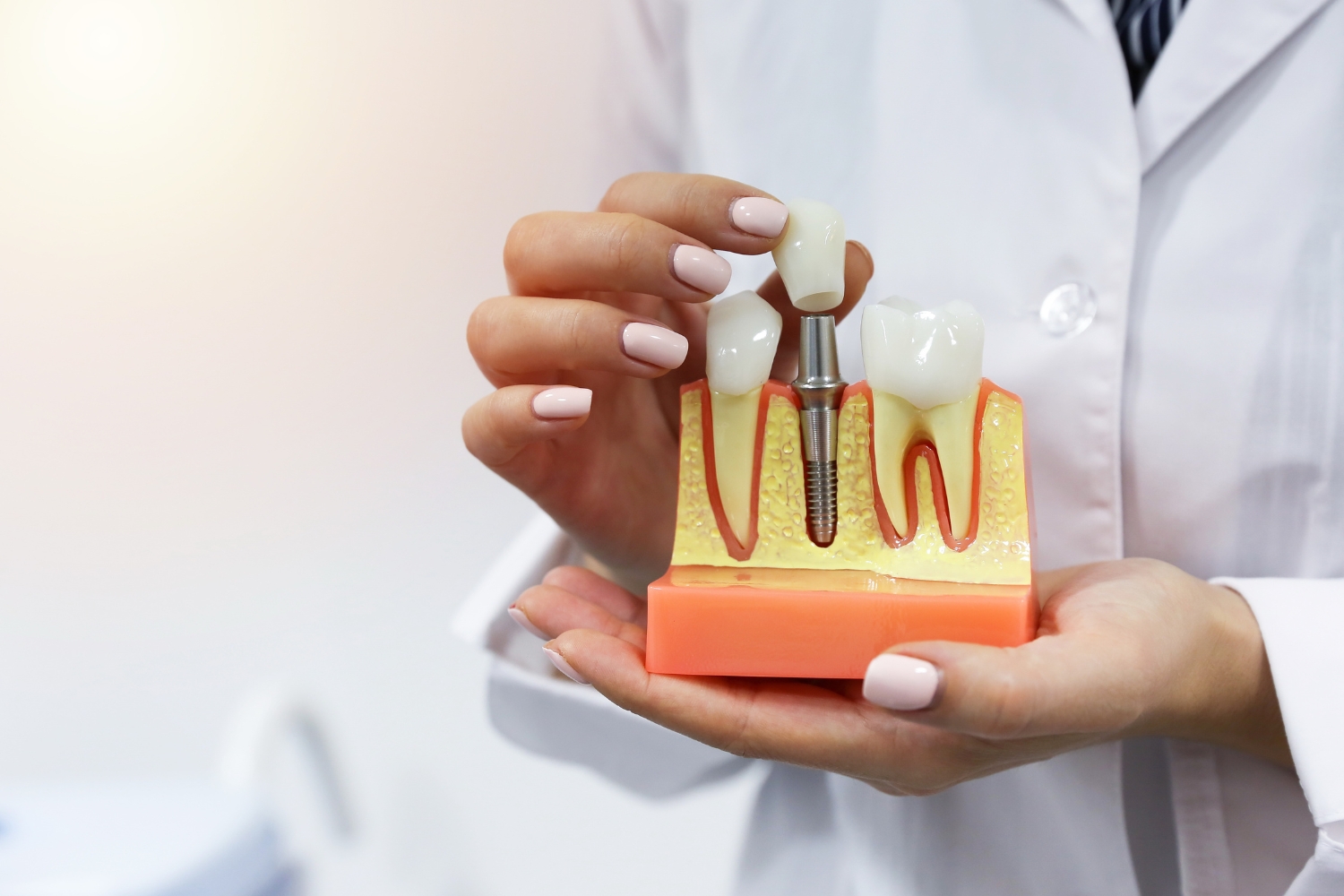
Smart Dental Implants: Are Dentists Using Them Yet?
Do Dentists Use Smart Dental Implants?
Dental technology has advanced at a remarkable pace, offering patients solutions that are safer, stronger, and longer-lasting than ever before. Among the latest innovations, smart dental restorations have captured attention for their ability to do more than just replace missing teeth.
In this city and across the country, people searching for dental implants Duxbury often wonder: Are smart implants available yet, and should they wait for this technology before moving forward with treatment? This guide explores the science behind smart implants, their availability, and what patients can expect in the coming years.
What Is the Newest Technology in Dental Implants?
Dental restorations have long been considered the gold standard for replacing missing teeth. Traditionally, they consist of a titanium or zirconia post inserted into the jawbone to support a dental crown. The latest breakthrough involves smart implants equipped with tiny, biocompatible sensors. These sensors can:
- Monitor bone density and stability.
- Detect inflammation or infection before symptoms arise.
- Send real-time healing data to dental professionals.
The American Dental Association reports that ongoing research focuses on improving implant success rates through advanced materials, digital monitoring, and even AI-powered data analysis. While this technology is not yet available in most practices, it represents a major step forward in preventive dental care.
Are Dentists Already Using Smart Implants?
Some research institutions and high-tech dental centers have begun limited trials with smart implants. However, for most dentist near me searches, conventional dental implants remain the standard because they are:
Highly reliable: Success rates exceed 95% when placed by skilled professionals.
Long-lasting: Many implants last for decades with proper care.
Predictable: Healing timelines and outcomes are well-studied.
Smart implants will likely become mainstream after clinical testing confirms their long-term benefits, safety, and cost-effectiveness. Until then, conventional implants continue to offer excellent results for patients who don’t want to delay treatment.
How Much Is a Smart Tooth Implant?
The cost of smart implants remains uncertain because they are not yet commercially available. Pricing will depend on:
Technology involved – Smart sensors and wireless data systems may increase costs initially.
Materials used – Titanium vs. zirconia implants can influence pricing.
Location and expertise – Advanced training for dentists may affect overall treatment fees.
For now, most clinics provide financing options for traditional dental restorations, ensuring patients can access care without waiting for experimental technology to reach local practices.
Advantages of Smart Dental Implants
Early Problem Detection
Smart implants could alert dentists about bone loss or infection before symptoms appear, reducing the risk of implant failure.
Improved Long-Term Success
By tracking healing in real time, dentists can intervene early if complications arise, improving overall outcomes.
Personalized Treatment Plans
Data from smart implants may allow dental professionals to tailor aftercare based on each patient’s unique healing patterns.
Should Patients Wait for Smart Implants?
For patients considering dental implants Duxbury, waiting for smart technology may not be necessary. Here’s why:
Bone health matters: Delaying treatment can lead to bone loss, complicating future implant placement.
Current implants work well: Conventional implants already offer decades of proven success.
Technology takes time: Smart implants may not reach everyday dental practices for several more years.
If you have missing teeth, it’s best to consult a qualified “dentist near me” to discuss current treatment options rather than postponing care unnecessarily.
FAQs: Dental Implants
1. Are smart dental implants FDA-approved?
Not yet. Most smart implants are still in clinical testing phases. Approval will follow once studies confirm their safety and reliability.
2. Do smart implants use Wi-Fi or Bluetooth?
Some prototypes transfer data wirelessly, but researchers are prioritizing patient privacy and data security before commercial release.
3. Will insurance cover smart implants?
Coverage for conventional implants varies. Whether insurers pay for smart implants will depend on future cost-benefit evaluations.
4. Can smart implants reduce dental visits?
Possibly. Real-time monitoring could limit unnecessary checkups while ensuring problems are addressed quickly if detected.
5. How long do conventional implants last?
With proper care, many dental restorations last 15–20 years, often even longer.
6. Are dental implants painful?
Most patients report only minor discomfort after surgery, typically managed with over-the-counter pain relief.
Conclusion
Restore Your Missing Teeth
Smart dental restorations represent an exciting future for dentistry, offering early problem detection and customized care. However, patients seeking dental implants Duxbury today should not delay treatment, as current implants already deliver exceptional results.
If you’re ready to restore your smile, visit our dental clinic for expert guidance. At Wiemeyer Dentistry, we suggest the best implant solutions that suit you now and in the future.