
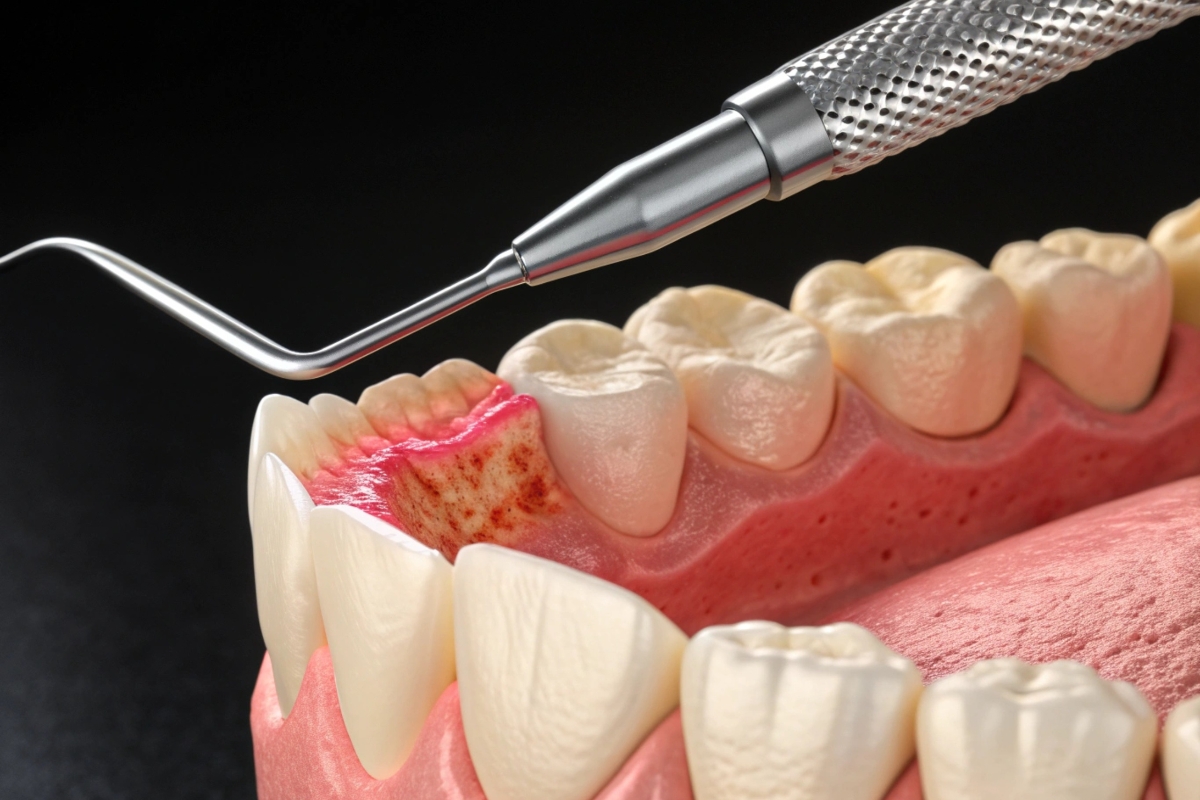
What Causes Bleeding Gums And When To See A Dentist
Noticing blood when brushing or flossing can be unsettling. Many locals brush it off, assuming it is temporary. In reality, oral tissue irritation is often an early warning sign that should not be ignored. A visit to a dentist Duxbury residents trust, can help identify the cause before it worsens. This issue does not always begin with pain. Mild inflammation may appear long before discomfort sets in. That is why early evaluation matters. Seeing a professional at the right time helps protect oral health and prevent deeper problems.
Why Bleeding Gums Are More Than A Surface Issue?
Oral tissue bleeding usually starts with inflammation along the gumline. This inflammation often results from plaque buildup that hardens over time. When bacteria remain undisturbed, they irritate soft tissue and trigger swelling, necessitating a quick visit to a dentist Duxbury.
Another common contributor is the brushing technique. Aggressive pressure or firm bristles can damage delicate tissue. Many people unintentionally cause irritation while trying to clean thoroughly.
Seasonal dryness also plays a role. Coastal New England weather, combined with indoor heating, can reduce mouth moisture. Less saliva allows bacteria to thrive, increasing irritation. In some cases, early signs of gum disease appear without pain or visible changes.
Local Habits That Increase Risk In Coastal Communities
Living in coastal Massachusetts brings unique oral health considerations. Diets rich in acidic drinks like coffee, flavored waters, and citrus beverages can weaken enamel and irritate surrounding tissue.
Outdoor activities in nearby areas such as Marshfield, Kingston, and Pembroke increase the risk of dehydration. Reduced hydration affects saliva flow, which generally protects oral tissues. This creates ideal conditions for plaque buildup along the gumline.
Cold-weather habits also contribute. Mouth breathing during the winter months dries tissues, making them more prone to irritation. These regional factors make preventive care especially important.
Common Reasons Your Gums May Be Bleeding
Bleeding around the gumline rarely happens without a reason. In most cases, it develops gradually due to everyday habits or underlying oral health changes. Common causes include:
- Plaque buildup along the gumline
When plaque is not removed consistently, it hardens and irritates soft tissue. This triggers inflammation and increases the likelihood of gum bleeding. - Brushing too hard or using firm bristles
Aggressive brushing can damage delicate tissue. Many people unknowingly cause irritation while trying to clean thoroughly. - Inconsistent flossing habits
Skipping floss allows bacteria to collect between teeth. When flossing resumes, inflamed areas may bleed easily. - Dry mouth caused by seasonal changes or dehydration
Reduced saliva limits the mouth’s natural defense against bacteria. This increases irritation and sensitivity. - Hormonal or immune system changes
Stress, illness, or hormonal shifts can weaken gum tissue, making it more reactive to plaque. - Early stages of periodontal inflammation
Mild gum disease often begins without pain. Bleeding is frequently the first visible sign.
Why Ignoring the Signs Can Lead to Bigger Problems?
Bleeding during brushing is often the first stage of gingivitis. Without care, inflammation can spread below the gumline. Over time, this damages the supporting structures around teeth.
As the condition advances, pockets may form around teeth. These pockets trap bacteria, worsening infection. Eventually, bone loss may occur. Untreated inflammation is also linked to systemic health concerns. Research connects oral inflammation to heart health, diabetes, and immune response. That makes early care essential.
A Duxbury dentist can assess tissue health and recommend preventive steps. Addressing issues early reduces long-term complications.
When It’s Time To See A Dental Professional?
Occasional irritation may resolve with better hygiene. However, certain signs indicate that a professional evaluation is needed:
- Bleeding that persists beyond a few days
- Swelling or redness around teeth
- Receding tissue lines
- Ongoing tenderness or discomfort
- Changes in breath that do not improve
If these appear, visiting a dental professional promptly helps prevent progression. Clinical cleaning and evaluation address the root cause.
Systemic Health Connections You Should Know About
Oral inflammation does not stay isolated. Studies show strong links between untreated gum inflammation and broader health concerns. These include heart disease, diabetes complications, and immune system strain.
Inflammation in the mouth can increase inflammatory markers throughout the body. Addressing oral health early supports overall wellness. Routine monitoring reduces systemic risk.
This connection makes regular dental care essential, not optional.
How Early Treatment Protects Your Oral Health?
Early care by a dentist Duxbury focuses on removing bacterial deposits and reducing inflammation. Professional cleanings reach areas that brushing cannot. Personalized guidance helps prevent recurrence.
In moderate cases, targeted therapies may be recommended. These support healing and restore tissue balance. Addressing symptoms early often avoids complex procedures. Many patients are surprised by how quickly symptoms improve once care begins. This is why bleeding gums treatment emphasizes early evaluation and consistent follow-up.
Daily Habits That Support Healthier Gums
Small daily changes make a significant difference:
- Use a soft-bristle toothbrush
- Brush gently twice daily
- Floss without snapping
- Stay hydrated throughout the day
- Replace toothbrushes every three months
Consistency matters more than pressure. These habits reduce irritation and support tissue recovery.
With The Right Care, Your Gums Can Heal
Seeing blood when you brush can make anyone pause and wonder what’s going on. Gum irritation is surprisingly common, and in most cases, it’s very fixable. The smartest next move is to schedule a consultation and let a Duxbury dentist take a look. One visit can clear up confusion, calm inflammation, and put you back in control of your oral health.
Think of it as giving your mouth a little backup. If bleeding keeps popping up when it shouldn’t, don’t wait for it to turn into a bigger issue. Go ahead and contact a local dental clinic and get support that’s focused on prevention, not panic. The proper attention today starts with one simple appointment.
Frequent Asked Questions: Bleeding Gums
1. Why do gums bleed during brushing?
Bleeding often indicates inflammation caused by plaque irritating delicate tissue. It’s a signal that the area needs gentler care and possibly professional evaluation to prevent progression.
2. Are bleeding gums reversible?
Yes, early-stage gum irritation is often reversible with proper hygiene and professional guidance. Acting early helps restore tissue health and prevents deeper infection from developing.
3. Can brushing harder stop gum bleeding?
No, brushing harder can worsen irritation and damage tissue. A soft brush and gentle technique allow gums to heal while still removing bacteria effectively.
4. Does bleeding mean I already have gum disease?
Not necessarily, but it can be an early warning sign. Persistent bleeding suggests inflammation that should be assessed before it advances into more serious periodontal problems.
5. How quickly can gum health improve?
Many people see improvement within 1 to 2 weeks after adjusting their care routines. Recovery depends on consistency and whether professional cleaning is needed to remove trapped bacteria.