
What Happens During a Deep Cleaning (Scaling and Root Planing) — And Is It Really Necessary?
If your dentist has told you that you need a deep cleaning, your first reaction might be confusion or even a little worry. What makes it different from a regular cleaning? Will it hurt? And do you actually need it? These are fair questions, and you deserve clear answers.
At Wiemeyer Dentistry, we see patients regularly who come in searching for a trusted Dentist in Duxbury after noticing signs like bleeding gums, persistent bad breath, or tooth sensitivity. Many of them have never heard of scaling and root planing before. This post is here to walk you through exactly what the procedure is, why it matters, and what to expect.
What Is a Deep Cleaning, Really?
A deep cleaning, also called scaling and root planing, is not the same as your routine six-month cleaning. A regular cleaning removes plaque and tartar from the surfaces of your teeth above and just below the gumline. A deep cleaning goes further — it targets the areas below the gumline where bacteria have already settled in and started causing damage.
When bacteria build up under the gums, they create pockets of infection. Over time, these pockets deepen, and that is when gum disease, known clinically as periodontitis, takes hold. Scaling removes the hardened tartar (calculus) from the roots of the teeth. Root planing smooths the root surfaces so bacteria have a harder time reattaching.
The two steps work together to give your gums a clean surface to heal against.
Is It Actually Necessary?
Yes, when recommended by a dental professional, it is. Gum disease does not go away on its own. Without treatment, it progresses, leading to bone loss, loose teeth, and eventually tooth loss. Research has also linked untreated gum disease to broader health concerns, including heart disease and diabetes complications.
Your dentist will recommend a deep cleaning only after measuring the depth of the pockets around your teeth. Pockets of 4 mm or deeper, combined with signs of active infection, typically indicate that a deep cleaning is the right course of action. It is not a procedure done “just to be safe” — it is a targeted response to a specific condition.
What to Expect During the Procedure
Most patients are surprised by how manageable the experience actually is. Here is what typically happens:
- Local anesthesia is used to numb the area, so you should not feel pain during the procedure.
- The treatment is usually split into two visits, covering one side of the mouth per visit.
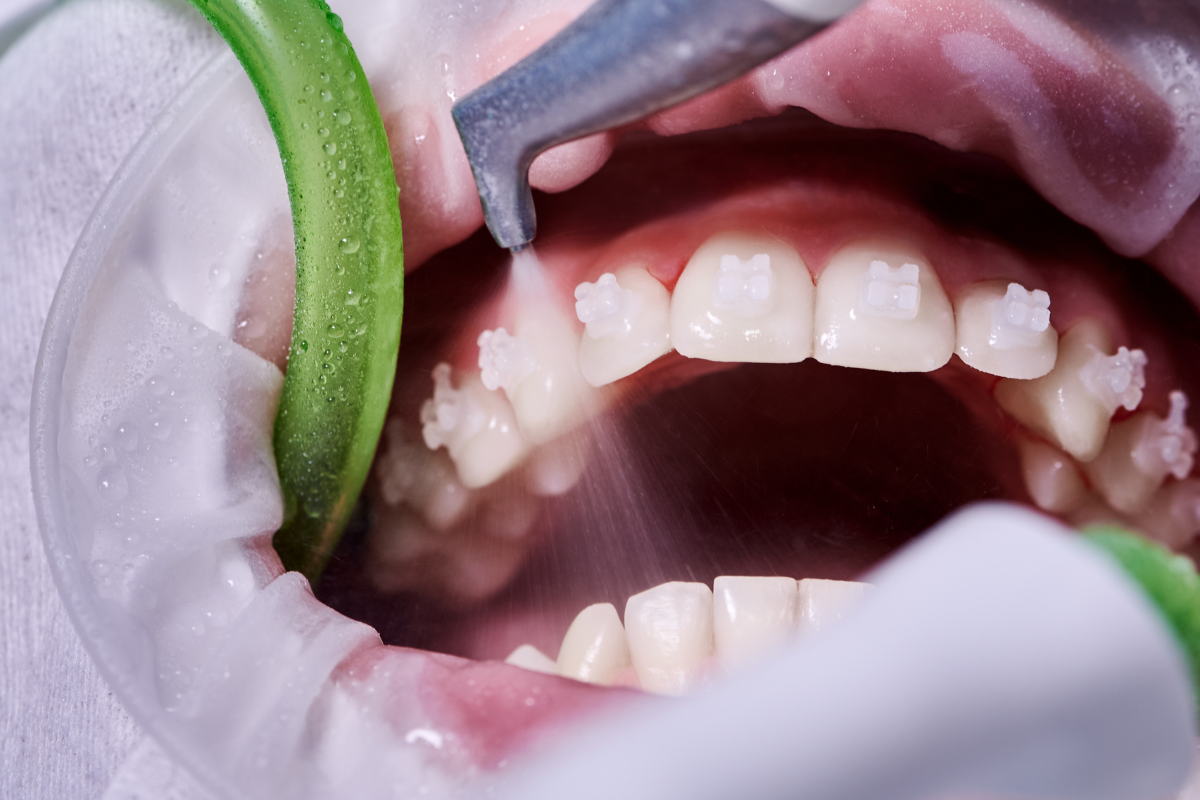
- Scaling tools — either hand instruments or ultrasonic devices — remove the buildup from below the gumline.
- Root planing follows, smoothing the tooth roots so the gums can reattach properly.
- Mild soreness and sensitivity for a few days after is normal and expected.
Recovery is simple. Soft foods, gentle brushing, and a saltwater rinse are usually all that is needed in the days following treatment.
Dental Cleanings and Gum Disease: What We See Locally
Patients across the South Shore are increasingly coming in with more advanced gum concerns than in prior years. Dental providers in the region have reported a rise in patients seeking care after putting off cleanings during and after the pandemic years. Many arrive with significant buildup, bleeding gums, and pockets that have grown well beyond a stage where routine cleaning is enough.
At our office, we have seen firsthand how going too long without care can turn a manageable situation into a more complex one. A number of patients who first come to our Dentist in Duxbury, search results have not had a professional cleaning in two or more years. Early gum disease caught at that stage still responds very well to scaling and root planing — which is why acting sooner matters.
Meet the Doctors at Wiemeyer Dentistry
Our team is built around honest, patient-focused care. Here is a brief look at the doctors who treat our patients every day.
Dr. Sean O’Brien
Dr. O’Brien focuses on general and restorative dentistry, including diagnosing and treating gum disease. He walks patients through their options clearly and makes sure they understand their treatment plan before anything begins.
Dr. Joann Mangano
Dr. Mangano specializes in preventive and family dentistry. She supports patients managing ongoing gum health and helps those with dental anxiety feel at ease before any procedure.
Dr. Amy Ferson
Dr. Ferson focuses on catching dental issues early, including the first signs of gum disease. After a deep cleaning, she guides patients through their maintenance plan to keep results on track.
Together, the three doctors cover a wide range of dental needs, from routine cleanings to more involved periodontal treatment. Whether you are visiting for the first time or following up after a procedure, you will be in experienced hands.
After a Deep Cleaning: What Comes Next?
A deep cleaning is not a one-and-done fix. After treatment, your dentist will schedule a follow-up visit, usually four to six weeks later, to check how your gums have responded. Based on those results, a maintenance schedule is set, typically every three to four months instead of the standard six.
At home, consistent brushing twice a day, daily flossing, and using a mouth rinse if recommended are all part of keeping gum disease from returning. The procedure does the heavy lifting — but daily habits keep the results in place.
Frequently Asked Questions
1. Does a deep cleaning hurt?
The procedure is done with local anesthesia, so you should not feel pain while it is happening. Mild soreness and sensitivity for a few days afterward is normal. Over-the-counter pain relief and soft foods usually handle it without any issues.
2. How long does it take?
Most patients have two visits, each lasting about one to two hours. The mouth is typically treated in two halves, one per visit, so the anesthesia is limited to one side at a time.
3. Is a deep cleaning covered by insurance?
Many dental insurance plans do cover scaling and root planing, at least in part, because it is a medically necessary procedure. Coverage varies by plan. Our office team can help you check your benefits before your appointment.
4. Will I need a deep cleaning every time I come in?
No. A deep cleaning is a treatment for gum disease, not a substitute for regular cleanings. Once your gums have healed, you will move to a periodontal maintenance schedule. With consistent care, many patients do not need to repeat the full procedure.
5. Can I go back to work the same day?
Most patients go back to normal activities the same day. The numbness from anesthesia wears off within a few hours, and while some sensitivity is expected, it rarely interferes with daily routines.
6. What happens if I skip the treatment?
Gum disease does not improve without treatment. Left untreated, it leads to continued bone loss, loosening teeth, and eventually tooth loss. The earlier it is addressed, the better the outcome.
7. How do I know if I have gum disease?
Common signs include gums that bleed when you brush or floss, gums that look red or swollen, persistent bad breath, and teeth that feel loose or look longer than before. A dental exam is the only way to know for certain, so if any of these sound familiar, it is worth getting checked.
8. What is the difference between gingivitis and periodontitis?
Gingivitis is early-stage gum disease, limited to the gum tissue. It can often be reversed with a professional cleaning and improved home care. Periodontitis is a more advanced stage where the infection has spread to the bone and tissue supporting the teeth. That is when a deep cleaning becomes necessary.
Conclusion
Gum disease is common, but it is also treatable — especially when caught early. If your dentist has mentioned a deep cleaning, or if you have been putting off dental care and are noticing some warning signs, the best thing you can do is get a proper evaluation.
Wiemeyer Dentistry is a trusted Dentist Near Me for patients throughout the South Shore looking for honest, straightforward dental care. Our team takes the time to explain what you need and why — no guesswork, no pressure.
If you are looking for a reliable Dentist in Duxbury, we welcome you to schedule a consultation with Wiemeyer Dentistry. Our doctors are ready to take a close look at your gum health and talk through your options in a way that is clear and easy to follow. To book your appointment or ask questions, contact our Wiemeyer Dentistry office today. Taking that first step is the easiest part — we handle the rest.